What is the Best Hdpe Cutting Board Material for Your Needs?
When considering the best Hdpe Cutting Board Material for your kitchen, it's essential to analyze various factors. High-density polyethylene (HDPE) is favored for its durability and resistance to bacteria. According to the USDA, this material is among the safest for food preparation surfaces, reducing cross-contamination risks.
A report by the Food Safety and Inspection Service states that HDPE cutting boards are less likely to harbor bacteria than wood boards. They are also dishwasher safe, which aids in maintaining hygiene. However, the longevity of HDPE cutting boards can sometimes lead to scratches, which may compromise their effectiveness over time.
Choosing the right HDPE cutting board material hinges on your specific needs. Consider factors such as cutting habits, budget, and maintenance preferences. Reflecting on these aspects can enhance your culinary experience and promote safety in your kitchen routines. It's crucial to balance quality and usability for the best results.
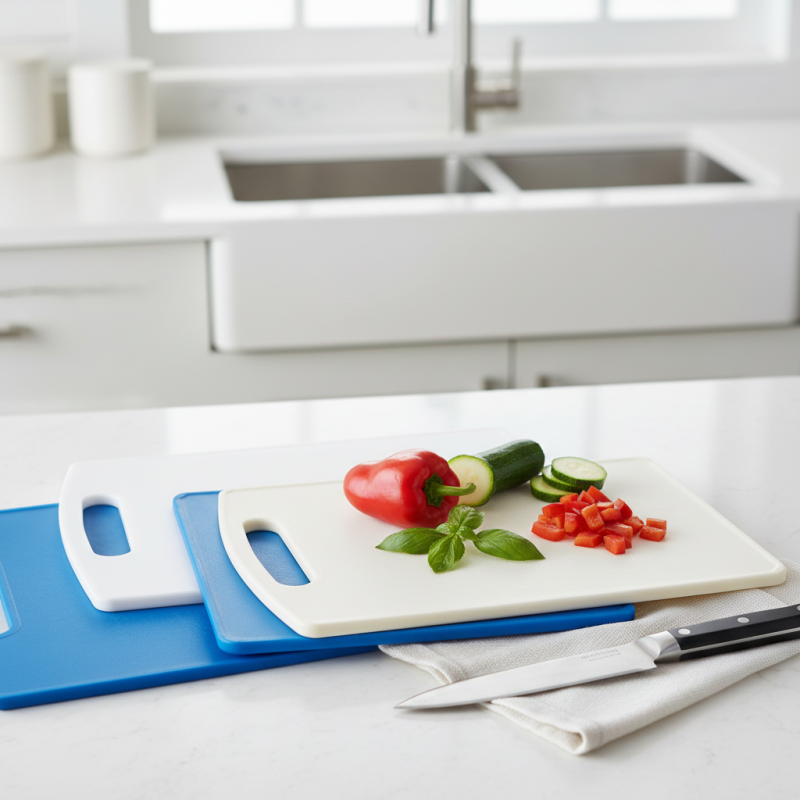
Understanding HDPE: Properties and Benefits for Cutting Boards
When considering HDPE for cutting boards, understanding its properties is essential. HDPE, or high-density polyethylene, offers a range of benefits that make it an excellent choice for culinary environments. It is a non-porous material, which prevents bacteria from penetrating its surface. According to a study conducted by the USDA, HDPE cutting boards have lower bacterial counts compared to wooden boards.
In addition to its hygienic qualities, HDPE is known for its durability. It can withstand high temperatures and is resistant to staining and cracking. Research indicates that HDPE can maintain its integrity after numerous cuts and scrapes, making it a long-lasting option in kitchens. Its versatility is also noteworthy; HDPE boards are available in various thicknesses and colors, catering to diverse culinary needs.
However, despite these advantages, users should be aware of potential drawbacks. HDPE boards can dull knife edges faster than wooden boards. This may lead to more frequent sharpening, which could affect efficiency in busy kitchens. Some users report that HDPE boards can feel “slippery” during use, potentially leading to safety concerns. Thus, while HDPE is a strong candidate for cutting boards, personal preferences and specific kitchen demands play a crucial role in material selection.
Comparative Analysis of HDPE Grades for Food Safety Standards
When selecting the best HDPE cutting board material, understanding the various grades of HDPE is crucial. High-density polyethylene (HDPE) is popular in food preparation due to its strength and durability. Different grades of HDPE meet varying food safety standards, impacting overall safety and hygiene in the kitchen. Low-grade HDPE may be less expensive, but it often harbors bacteria more effectively.
It’s essential to choose HDPE that complies with FDA regulations. This ensures that the material meets rigorous safety criteria. When cooking, food contact surfaces must be non-porous and resistant to staining. Higher-grade HDPE offers these properties, making it a reliable choice for food safety. Although it may cost more initially, the investment pays off in longevity and health assurance.
Nonetheless, no material is perfect. Even top-grade HDPE can wear out over time or develop scratches where bacteria might thrive. Regular maintenance and replacement are vital for hygiene. It’s also wise to avoid cutting raw meats on the same board used for vegetables, regardless of HDPE grade. This practice minimizes the risk of cross-contamination and reflects a commitment to safe food handling.
Durability and Longevity of HDPE Cutting Boards: What to Expect
When it comes to HDPE cutting boards, durability is a key factor. High-density polyethylene (HDPE) offers excellent resistance to impacts and cuts. This means your board will not warp easily and can withstand heavy chopping. However, while HDPE is tough, it can still develop scratches over time. These scratches can harbor bacteria if not cleaned properly.
Longevity is another significant aspect of HDPE boards. With proper care, including regular cleaning and avoiding excessive heat, these boards can last for years. Yet, a neglected cutting board may start to show wear more quickly. It's important to inspect your board periodically for any signs of damage or deep grooves. Such imperfections can affect both hygiene and performance. Taking proactive steps can enhance the lifespan of your HDPE cutting board.
Maintenance and Care Tips for HDPE Cutting Boards
HDPE cutting boards are popular for their durability and resistance to bacteria. According to a study by the Journal of Food Protection, HDPE boards are less likely to harbor pathogens compared to wood boards. Proper maintenance is essential to maximize their lifespan.
To care for your HDPE cutting board, wash it with warm, soapy water after each use. Avoid harsh chemicals, as they can damage the surface. Studies show that frequent sanitization reduces bacterial presence by up to 99%. Some users overlook this, only cleaning occasionally. Neglecting consistent care can lead to surface scratches or discoloration.
Storing HDPE boards correctly is crucial. Keep them in a dry place and avoid stacking them with heavy items. This practice helps prevent warping. Additionally, regular inspection for deep cuts is important. Deep gouges can harbor bacteria, which means they need to be sanded down or replaced. Understanding these maintenance tips can greatly improve the efficiency and hygiene of HDPE cutting boards in your kitchen.
Environmental Impact of HDPE Production and Recycling Options
When considering HDPE cutting boards, it's essential to look beyond just durability and performance. The environmental impact of HDPE production is significant. HDPE, or High-Density Polyethylene, is made from petroleum, a non-renewable resource. This process generates considerable greenhouse gas emissions. Moreover, the extraction and refining of oil can lead to habitat destruction.
Recycling options for HDPE are a crucial aspect of reducing its environmental footprint. Many recycling facilities accept HDPE products, including cutting boards. Up to 30% of post-consumer HDPE can be recycled into new products. However, the recycling rates are low in many regions, often due to contamination. Despite improvements in technology, educating consumers remains a challenge. Individuals may not know how to prepare their HDPE products for recycling properly.
A key reflection point is the entire lifecycle of HDPE. While it offers advantages, like being resistant to stains and odors, it also presents sustainability issues. Choosing HDPE should involve a careful consideration of these impacts. Explore options that prioritize recycling and look for ways to extend the lifespan of your cutting boards. This combined approach can lessen the environmental burden.