How to Build Affordable Container Homes for Sustainable Living?
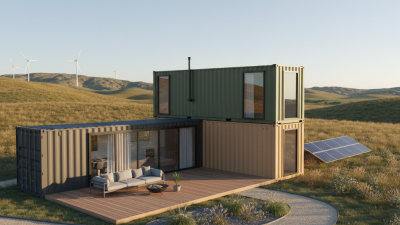
Building affordable container homes for sustainable living is a growing trend. Many are looking for cost-effective housing solutions. Container homes serve as a practical alternative to traditional forms of housing.
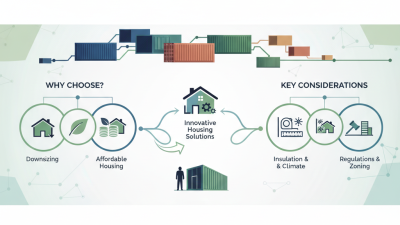
These structures can be built using repurposed shipping containers. They offer durability and flexibility in design. However, building a container home requires careful planning. Not every site is suitable, and zoning laws can complicate matters. Some may struggle with insulation and ventilation issues, which need addressing for comfort.
The benefits are clear: reduced waste and lower environmental impact. Container homes can be designed uniquely to reflect personal style. Nonetheless, potential builders must be aware of the challenges. Whether it is budget constraints or finding the right location, planning is essential. Embracing this new trend can inspire creativity and innovation in housing. Yet, it demands thought and consideration beyond mere aesthetics.
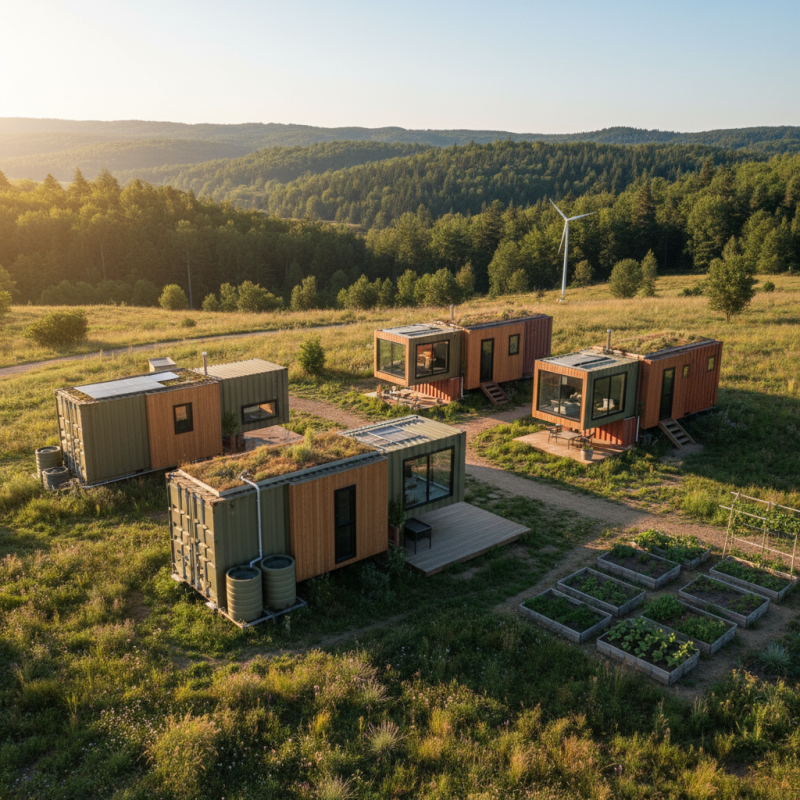
Choosing the Right Shipping Containers for Sustainable Homes
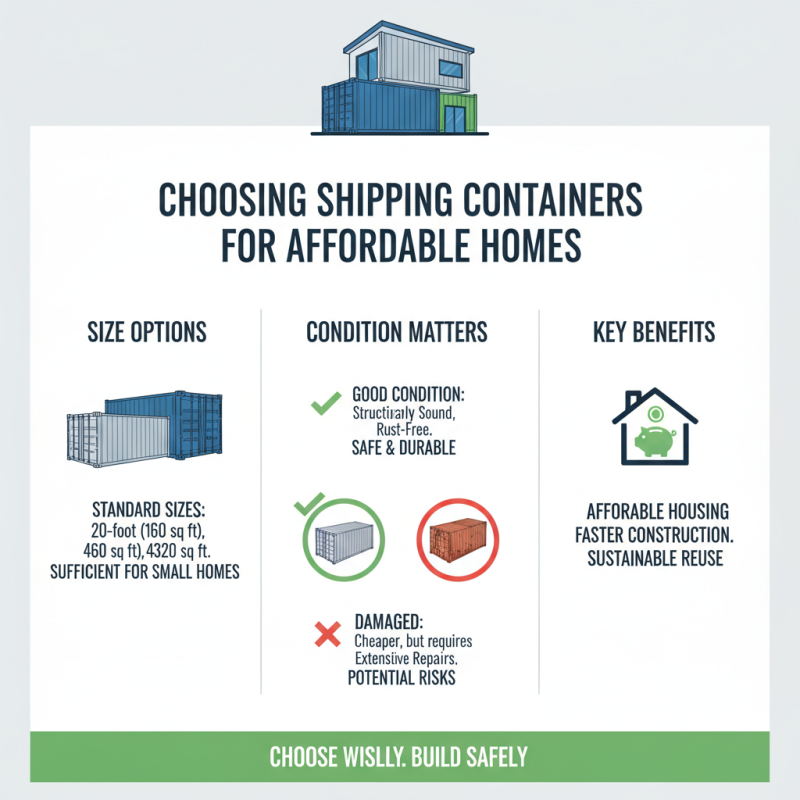
Selecting the right shipping containers is crucial for building affordable container homes. Containers come in various sizes and conditions. A standard 20-foot or 40-foot container is often sufficient for a small home. Look for ones that are structurally sound and free from rust. Although damaged containers are cheaper, they may require extensive repairs. Choosing wisely ensures a safe living environment.
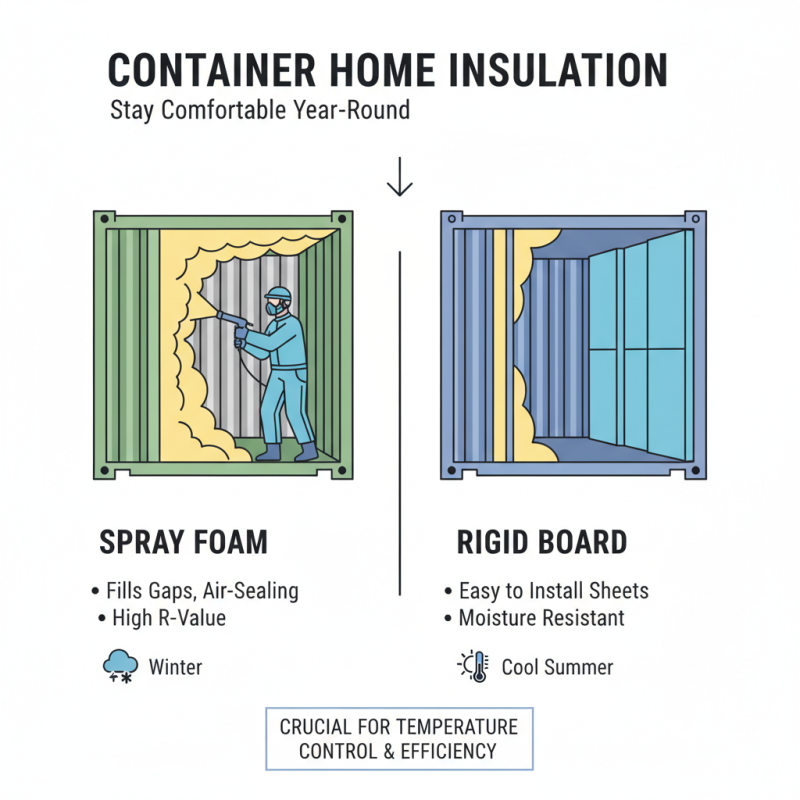
You also need to consider insulation and ventilation. Many containers need proper insulation to handle extreme temperatures. Standard metal containers can heat up quickly. This requires extra effort to make them livable. Reflect on your local climate before deciding on the materials. Some containers might need modifications for better airflow. This can affect your budget and timeline.
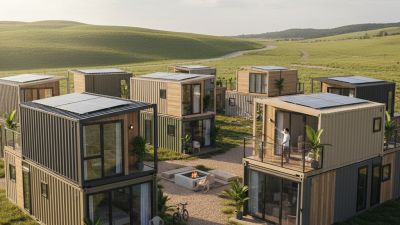
Also, think about the container layout. Using multiple containers allows for creative designs but can be complex. It’s essential to visualize how different spaces interact. Open layouts work better for smaller homes but may lack privacy. Ultimately, every decision impacts sustainability. Balancing cost, design, and efficiency is a constant challenge.
Assessing Site Location and Preparing the Land for Container Homes
Choosing the right site for a container home is crucial. Look for flat land with good drainage. Avoid areas prone to flooding. Check the soil quality. Rocky or sandy soil can complicate foundation work. Consider local zoning laws. Some areas may restrict container homes. Research these rules before committing.
Preparing the land is the next step. Clear debris and vegetation. This can be labor-intensive and physically demanding. You might need heavy equipment, which can be expensive. Level the ground to ensure stability. It’s also wise to think about orientation. Position the home to maximize natural sunlight. This can help with heating and energy efficiency.
Building permits can also add complications. The timeline may stretch longer than expected. You might find unexpected challenges with utilities like water and electricity. Working with local officials can sometimes feel laborious. Adapt to these realities as you proceed. Flexibility in planning is key in the container home journey.
Designing Energy-Efficient Layouts for Maximum Space Utilization
Designing energy-efficient layouts for container homes can maximize space utilization. Container homes typically have compact spaces. Efficient design can help transform these into functional living areas. According to the U.S. Green Building Council, buildings account for 40% of total energy consumption. An efficient layout not only reduces energy use but also minimizes costs.
Consider the placement of windows. Positioning them for natural light reduces the need for artificial lighting. Good ventilation can also lower cooling costs. A study by the National Renewable Energy Laboratory found that proper orientation can improve energy efficiency by over 30%. Utilize multi-functional furniture to save space. A fold-down table or a couch that converts to a bed maximizes usability without crowding the area.
However, designing these spaces comes with challenges. It can be hard to balance aesthetics and functionality. Each square foot must serve a purpose. While creativity is essential, it's important to remain realistic. Not every design will work perfectly in every container. Continuous testing and feedback from occupants can guide adjustments. Adaptability is key to successful sustainable living.
Energy Efficiency in Container Homes
Incorporating Renewable Energy Solutions for Sustainable Living
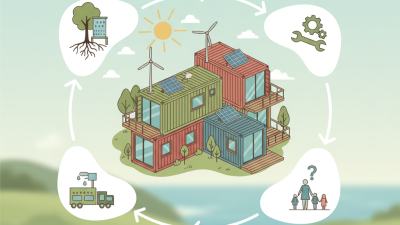
Incorporating renewable energy solutions into container homes can transform sustainable living.
Solar panels are a popular choice. They harness the sun's power and reduce reliance on fossil fuels.
According to the National Renewable Energy Laboratory, solar energy could meet up to 40% of U.S. electricity needs by 2035. This potential makes it a strong option for container homes.
Wind energy is also valuable. Small wind turbines can generate electricity for individual homes. A recent report from the American Wind Energy Association suggests that wind power installations have doubled in the last decade. This growth indicates a shift toward clean energy. However, the installation process can be tricky. Homeowners must consider local regulations and site-specific wind patterns.
Energy storage solutions, like batteries, are critical too. They store excess energy generated during sunny or windy days. Yet, battery technology is still evolving. Some products may not last long or perform well in all conditions. It's necessary to research and select reliable options. Transitioning to renewable energy in container homes requires care and commitment.