How to Build Your Own Modular Container Homes for Affordable Living?
As housing prices continue to soar, the search for affordable alternatives has gained momentum. "Modular container homes" have emerged as a promising solution. These innovative structures offer flexibility and sustainability, making them increasingly popular among budget-conscious individuals. Architect Sarah J. Lawson, a leading expert in modular design, emphasizes the appeal of this approach: "They allow for creativity while keeping costs low."
Building your own modular container home can be an exciting yet daunting task. It requires careful planning and a willingness to adapt. Each design can be tailored to your needs and preferences, but challenges can arise. Issues such as insulation, plumbing, and energy efficiency must be addressed. Despite these hurdles, many find the project fulfilling and rewarding.
The journey towards creating affordable living spaces through modular container homes is not just about the end product. It's about embracing creative solutions and pushing personal boundaries. Refining your vision will be essential as you navigate the complexities of this unique housing option. With determination and resourcefulness, you can join the ranks of those transforming containers into beautiful homes.
Understanding Modular Container Homes and Their Benefits
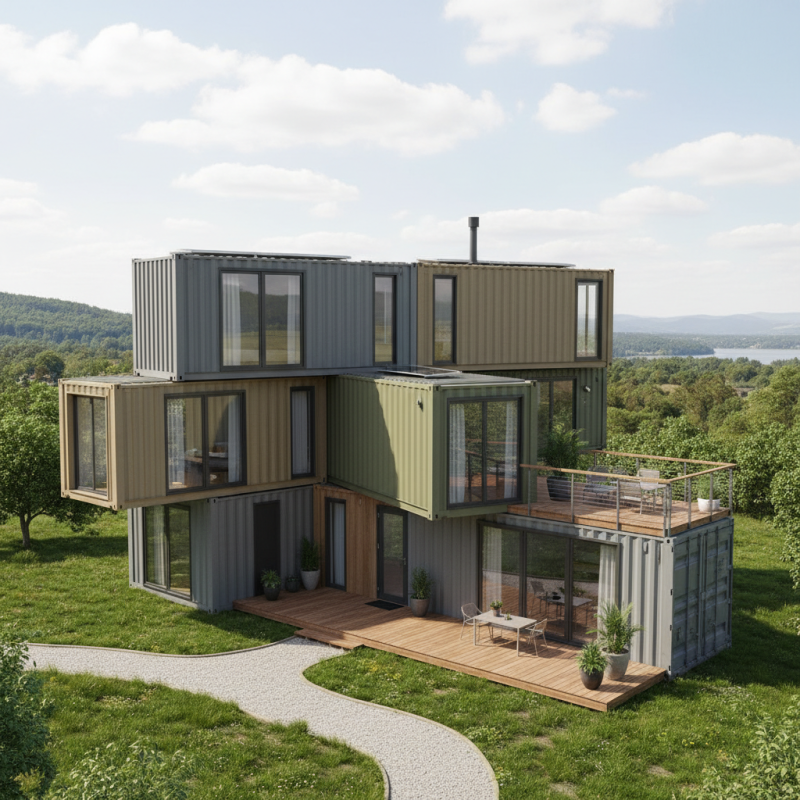
Modular container homes are an innovative solution for affordable living. They offer flexibility and sustainability, making them attractive options for many. These homes are built from shipping containers, which are durable and widely available. You can customize them to suit your needs, taking advantage of their modular nature.
Building your own modular home can be rewarding, but it’s not always easy. You might face challenges with insulation or plumbing. It's crucial to plan and prepare extensively. Each container is a blank slate, but you must think about layout and design. Consider natural light and airflow. These small details make a big difference.
Tips: Always check local regulations before starting. Some areas have strict building codes. Think about energy efficiency. Incorporating solar panels can cut costs. Use reclaimed materials for interiors; it adds character and saves money. Embrace imperfections during construction. They often lead to unexpected beauty in design. Adapt and reflect; each decision shapes your home.
Planning Your Container Home: Design and Layout Considerations
When planning your container home, the design and layout are crucial. Start with the basics: floor plan and orientation. Think about how sunlight enters your space. For example, placing large windows facing south can greatly improve natural light. But too much sun can create heat issues, so balance is key.
Open layouts often enhance space perception. Consider using multifunctional furniture to save room. A foldable table can adapt to different needs. One issue might be storage; containers have limited space. You may need to get creative with shelving.
Next, reflect on your lifestyle. Do you work from home? Think about a workspace. An office nook can be integrated into your design. Make adjustments as needed. Each decision impacts the overall feel. Imperfections will arise, but that’s part of the process. Embrace these challenges as you shape your unique living space.
How to Build Your Own Modular Container Homes for Affordable Living? - Planning Your Container Home: Design and Layout Considerations
| Aspect |
Consideration |
Notes |
| Design |
Choose a functional layout |
Open floor plans maximize space |
| Materials |
Use weather-resistant materials |
Rust-proof and durable finishes recommended |
| Zoning |
Check local regulations |
Ensure compliance with building codes |
| Utilities |
Plan for water and electricity |
Consider eco-friendly options |
| Insulation |
Select appropriate insulation |
Aim for energy efficiency |
| Cost |
Budget for materials and labor |
Allow for unexpected expenses |
| Landscaping |
Incorporate outdoor spaces |
Enhance curb appeal |
Essential Materials and Tools for Building a Modular Container Home
Building a modular container home requires careful planning and the right materials. Start with a strong foundation. Concrete blocks or steel reinforcements are often essential. They provide stability and support for the heavy container structure. Next, choose high-quality shipping containers that are free from rust and damage. Inspect them thoroughly before purchase. Even minor imperfections can lead to serious issues later.
Tools are just as critical as materials. A cutting torch is needed to modify containers. Electric drills help install windows and doors. Don't forget safety gear like gloves and goggles. Even with these tools, miscalculations can happen. You might cut in the wrong place or misjudge measurements. It’s crucial to double-check your work to avoid costly errors.
Insulation is another important aspect. Spray foam or fiberglass can enhance energy efficiency. However, be mindful of installation techniques. Poor insulation may lead to temperature problems later on. Remember that building a container home is a learning process. Mistakes can teach valuable lessons that enhance your future projects.
Essential Materials for Building Modular Container Homes
Step-by-Step Construction Process for Your Container Home
Building your own modular container home can be an exciting journey. Start by selecting a suitable shipping container. Look for containers that are structurally sound and free of major rust. This is crucial for a solid foundation. Once you've acquired a container, plan its layout. Think about how you want the spaces to flow. Open floor plans are popular, but don’t forget about functionality.
After the planning phase, it’s time to prepare the site. Clear the area of debris and ensure it’s level. Make sure you have a solid base for your container. You might consider using concrete blocks or a steel platform. Next, focus on insulation. Containers can get extremely hot or cold. Use proper materials like spray foam or rigid insulation. This step is essential to ensure comfort in varying weather conditions.
As you move forward, be mindful of windows and doors. Cut openings carefully, as this can affect the structural integrity. Experiment with different placements for natural light. Remember, every cut is a decision that needs reflection. After completing the exterior, think about utilities. Plumbing and electrical setups require careful planning. This can be a complex task but is vital for a livable space. Stay patient and flexible, as unexpected challenges will arise.