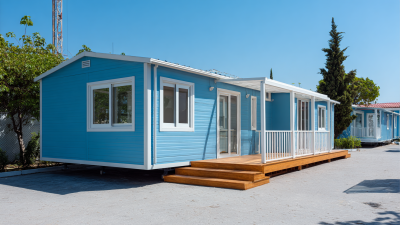
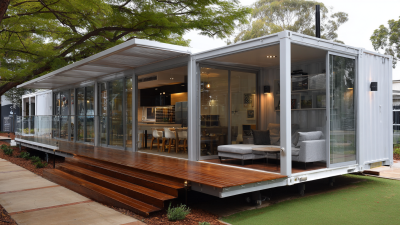
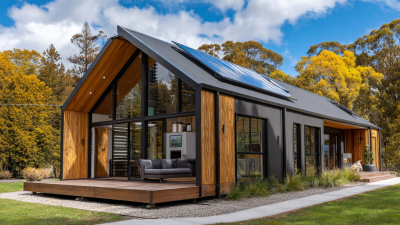
How to Build Steel Modular Homes in 2025 for Sustainable Living
As we advance into 2025, the construction industry is witnessing a pivotal shift towards sustainable living, driven by the urgent need to address climate change and resource depletion. Among the most promising solutions are steel modular homes, which combine innovative construction techniques with environmentally responsible practices. According to a report by the Modular Building Institute, the modular construction market is projected to grow by 20% annually, with steel emerging as a preferred material due to its durability, recyclability, and lower environmental impact compared to traditional building materials. Steel modular homes not only reduce construction waste but also enhance energy efficiency, aligning with the sustainability goals of cities around the globe.
Moreover, the National Association of Home Builders emphasizes that modular homes can lead to significant cost savings—up to 15%—compared to conventional homes, making them an attractive option for both buyers and builders. As urban populations continue to swell, the demand for innovative housing solutions rises. Steel modular homes represent a strong answer to this call, offering rapid assembly and high adaptability to various environments. In this evolving landscape, understanding how to effectively build steel modular homes will be crucial for stakeholders aiming to meet the housing demands while prioritizing sustainability in 2025 and beyond.
Innovative Design Strategies for Steel Modular Homes
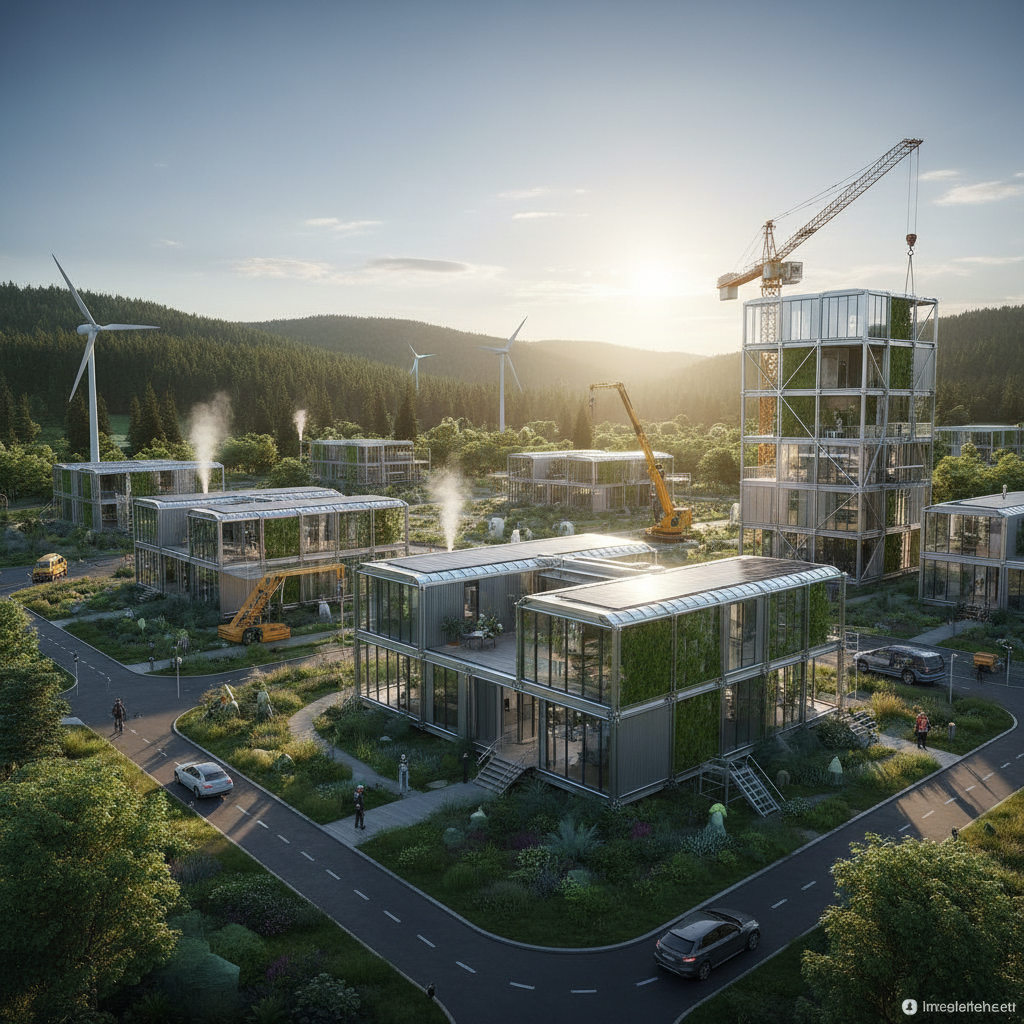
Innovative design strategies play a pivotal role in the development of steel modular homes aimed at promoting sustainable living in 2025. One approach involves the use of prefabricated steel components, which not only reduce construction waste but also enhance efficiency. These components can be manufactured off-site, allowing for improved quality control and faster assembly once on location. This method minimizes the overall construction time and significantly lowers the carbon footprint associated with traditional building practices.
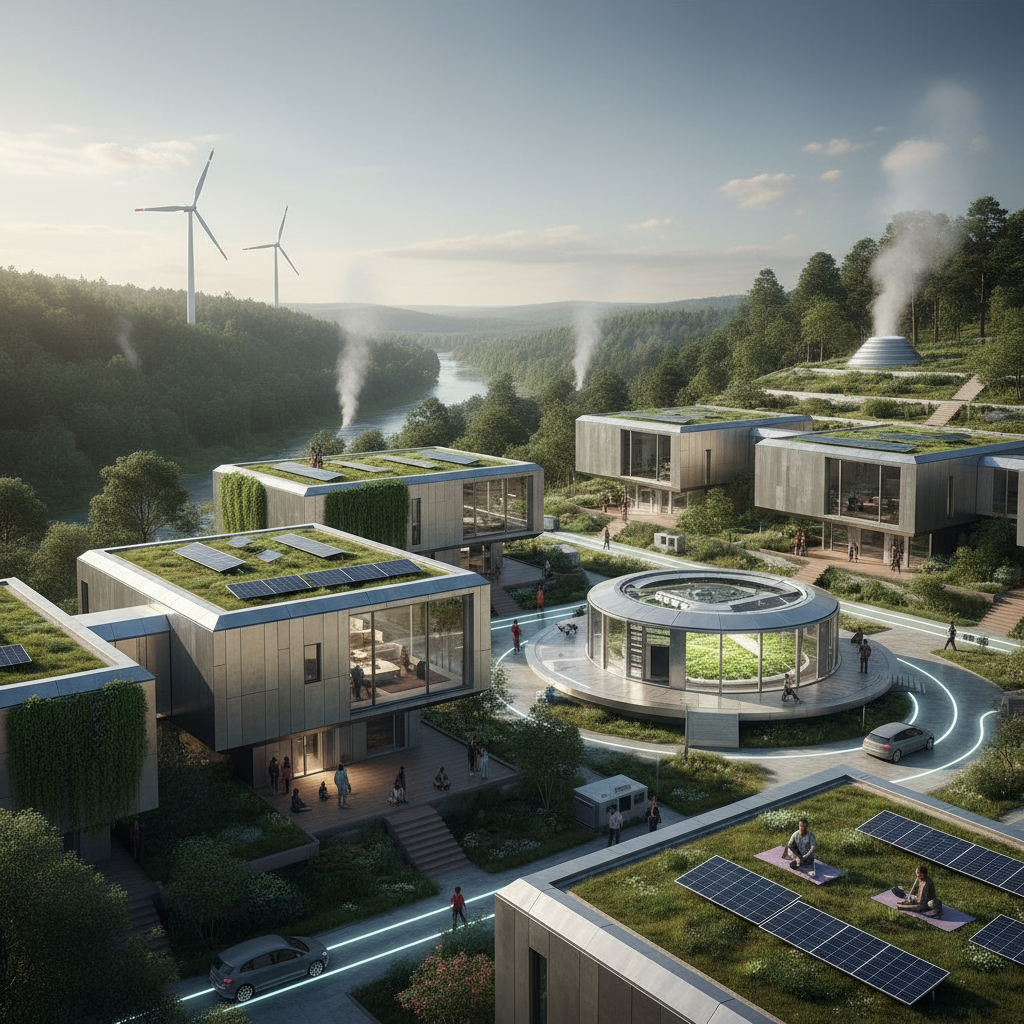
Additionally, integrating smart technology into the design of steel modular homes can further enhance their sustainability. Features such as energy-efficient insulation, solar panel installations, and advanced water conservation systems can be embedded into the modular designs. By utilizing renewable energy sources and optimizing resource management, these homes can achieve near-zero energy consumption, making them a viable option for eco-conscious living. Emphasizing modularity also allows for flexibility in design, enabling homeowners to adapt their living spaces to changing needs while adhering to sustainable practices.
Energy Consumption of Steel Modular Homes in 2025
Sustainable Materials and Construction Practices in 2025
In 2025, the focus on sustainable materials and
construction practices is paramount for building steel modular homes. The use of recycled steel
for structural elements not only enhances durability but also significantly reduces the carbon footprint associated with new steel production.
By opting for modular design, builders can create homes that are not only energy-efficient but also adaptable to the
changing needs of residents, all while minimizing waste during the construction phase.
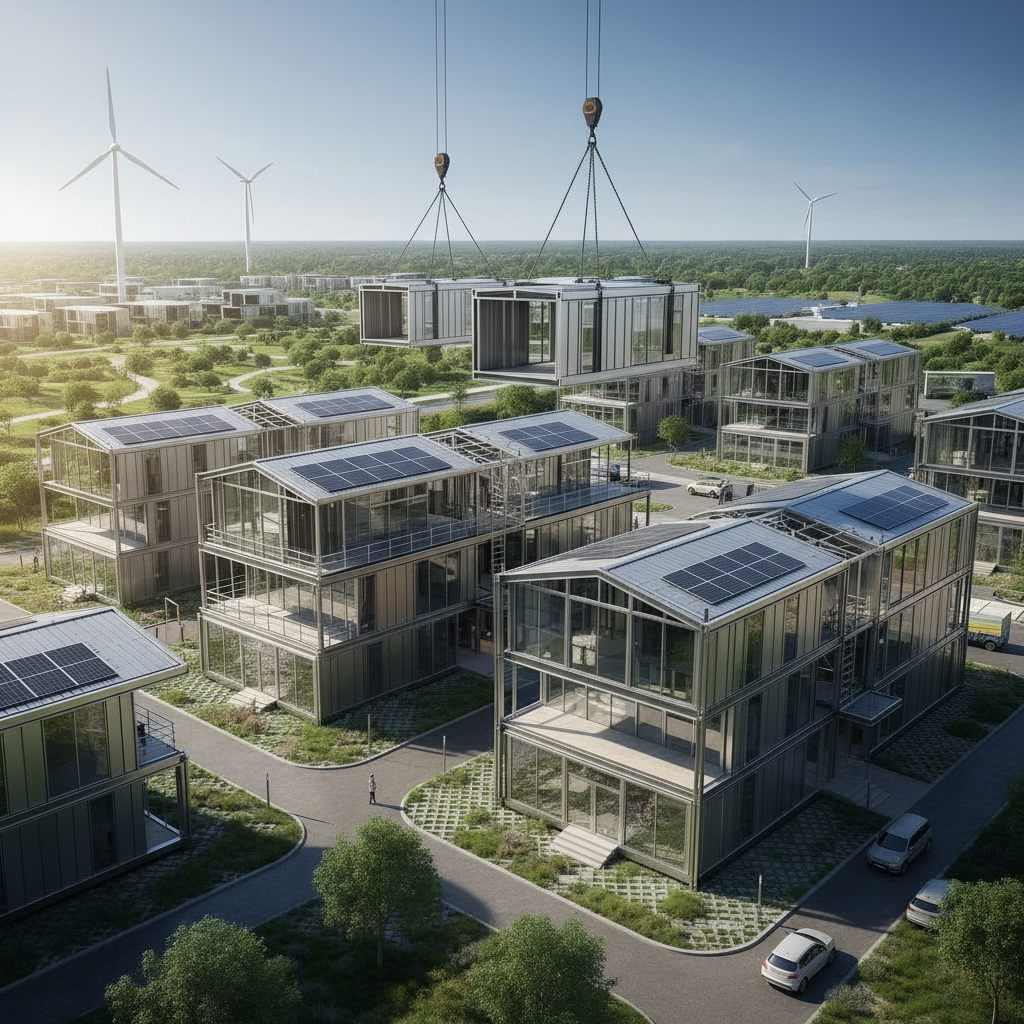
In addition to recycled steel, incorporating sustainable insulation materials,
such as cellulose or sheep's wool, contributes to optimal energy conservation. High-performance windows and solar panels
can be integrated seamlessly into modular designs, allowing homes to harness renewable energy and reduce reliance on
non-renewable sources. Innovative construction practices, including prefabrication and advanced robotics,
further streamline the building process, enhance precision, and reduce overall labor costs. Together, these elements reflect a
forward-thinking approach to sustainable living, ensuring that steel modular homes are not only practical but also ecologically responsible.
Integrating Smart Technology for Energy Efficiency
The integration of
smart technology
into steel modular homes is paramount for achieving
energy efficiency
and sustainable living. As the global smart grid market is projected to reach
$49.45 billion in 2023, with a compound annual growth rate (CAGR) of
13.45% from 2024 to 2031, it's clear that innovation in this sector is rapidly evolving.
Smart homes can enhance comfort and sustainability by learning occupant behaviors and adjusting energy use accordingly, turning traditional living spaces into
intelligent environments that respond dynamically to needs.
When considering the intelligence of a building, it's crucial to evaluate how well it harnesses data and incorporates
artificial intelligence (AI) technologies. The energy market, estimated to grow to
$13.1644 billion in AI in 2023, with a CAGR of
17.18% from 2024 to 2031, exemplifies the transformative potential of intelligent systems.
For instance, implementing smart meters and energy management systems can significantly reduce energy consumption, fostering a more sustainable lifestyle.
Tips:
1. Incorporate smart home devices that can optimize energy usage based on real-time data to enhance efficiency.
2. Consider using AI algorithms that enable
predictive analytics, allowing your home to prepare for energy demands and adjust accordingly.
3. Embrace technology that promotes
renewable energy sources, creating a harmonious blend of smart living and sustainable practices.
Cost-Effective Solutions for Building Steel Modular Homes
As the demand for sustainable living solutions grows, the construction of steel modular homes presents a cost-effective avenue towards eco-friendly housing. According to the
Modular Housing Association, modular homes can reduce construction waste by up to 60%,
a significant improvement compared to traditional building methods. This reduction not only minimizes environmental impacts but also leads to lower overall project costs, with estimates indicating a
10-20% decrease in expenses due to streamlined manufacturing processes.
In 2025, advancements in steel technology will further enhance the affordability of these homes. A report by the World Steel Association projected that the price of steel
could stabilize, making it an even more viable option for residential construction. The durability and resilience of steel, combined with its recyclability, make it a prime
material for modular homes aimed at sustainable living. Homeowners can also benefit from energy efficiency improvements, with the potential for lower utility bills.
Studies suggest that energy-efficient modular homes can lead to savings of up to 30% in annual energy costs, which is a compelling reason to invest in
this innovative building approach.
Regulatory and Environmental Considerations for Sustainable Living
As the demand for sustainable living increases, understanding the regulatory and environmental considerations is crucial for building steel modular homes by 2025. According to a report by the Global Sustainable Investment Alliance, sustainable investments are projected to exceed $35 trillion globally, indicating a significant shift towards environmentally friendly construction practices. Steel modular homes not only provide a sustainable alternative to traditional housing, but they also align with evolving building codes that increasingly prioritize energy efficiency and reduced carbon footprints.
Regulatory frameworks such as the International Green Construction Code (IgCC) are setting new benchmarks for sustainable construction. These codes emphasize the importance of using sustainable materials and practices, which benefit builders and homeowners alike by minimizing energy consumption and promoting waste reduction. In fact, the World Green Building Council reports that buildings account for 39% of global carbon emissions, showcasing the urgent need for standards that advocate for environmentally conscious building techniques. By integrating steel modular construction into these emerging standards, developers can support a more sustainable future while adhering to regulatory requirements that promote sustainable living.