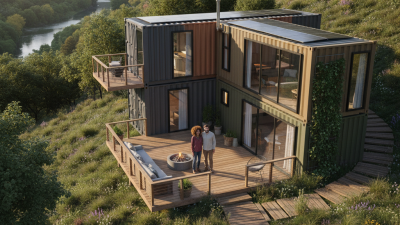
How to Build Container Homes for Affordable Sustainable Living?
In recent years, container homes have emerged as a revolutionary solution for affordable and sustainable living. Experts like Sarah Johnson, a prominent architect in the container home industry, emphasize, "Container homes are not just structures; they are a new way of life." Her insights highlight the potential these unique homes offer to those seeking cost-effective housing options.
Building container homes requires creativity and careful planning. The materials are typically repurposed shipping containers, which can significantly reduce costs. Many people feel overwhelmed by design choices or structural challenges. It's essential to remember that imperfections often lead to innovative solutions.
Moreover, container homes can blend seamlessly into various landscapes. They can be customized for energy efficiency, making them environmentally friendly. Achieving sustainability does not come without its hurdles, though. The journey toward building a container home is filled with lessons and reflections on living simply and sustainably. Embracing this lifestyle can transform both your home and your outlook on life.
Understanding Container Homes: An Overview of Sustainable Living
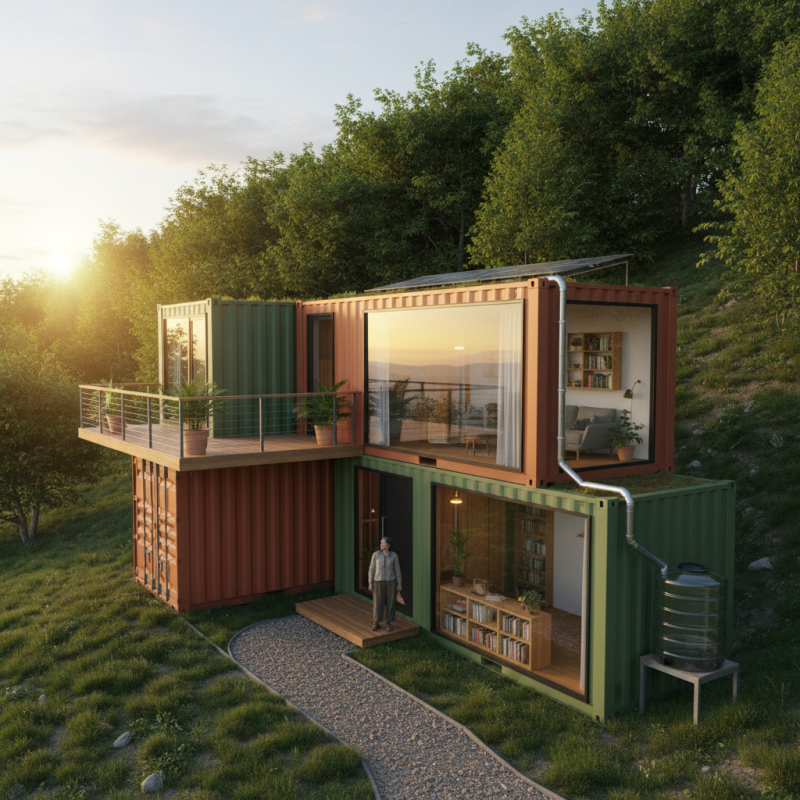
Container homes are gaining attention as a sustainable living option. They repurpose shipping containers, minimizing waste. According to the U.S. Environmental Protection Agency, construction accounts for 25-40% of landfill waste. Container homes help reduce this footprint. They offer durability and can be energy-efficient. Insulating a container properly is essential for comfortable living. Many builders suggest using recycled materials for interior finishes.
Tips: Start with proper planning. Research local building codes. Understand zoning laws. These can impact your project. It is crucial to check container quality. Some may have residual chemicals. The wrong choice can lead to health issues.
Container homes also promote a minimalist lifestyle. People often find that they need less. With limited space, every item must serve a purpose. This can lead to a healthier mindset. However, the challenge is in customization. It can be tough to create a unique home from standard containers. Each container has its quirks, making renovations tricky. Embrace imperfections; they can add character.
How to Build Container Homes for Affordable Sustainable Living?
| Feature |
Description |
Benefits |
Considerations |
| Cost Efficiency |
Using recycled shipping containers as a primary building material. |
Lower initial construction costs compared to traditional homes. |
Location and zoning regulations may impact costs. |
| Sustainability |
Promotes recycling and reduces waste by utilizing old containers. |
Minimizes the carbon footprint associated with new construction materials. |
Proper insulation is necessary for climate control. |
| Customizability |
Easily modified design options for layouts and styles. |
Allows for unique and personal living spaces. |
Structural integrity must be maintained during modifications. |
| Durability |
Made from steel, providing robust resistance to weather and pests. |
Long-lasting solution with minimal maintenance. |
Rust treatment is important to maintain longevity. |
| Energy Efficiency |
Can be retrofitted with solar panels and efficient insulation. |
Potential for reduced utility bills through energy efficiency. |
Initial investment for energy systems might be high. |
Key Benefits of Container Homes for Affordable Housing Solutions
Container homes are an innovative solution for affordable housing. They are made from repurposed shipping containers, offering a unique living experience. Utilizing containers can significantly reduce construction costs. This approach is particularly appealing for those on a budget. The basic structure is available at a lower price than traditional homes.
One significant benefit is their sustainability. The process of recycling containers reduces waste. This method saves resources and minimizes the environmental impact. Container homes can often be built in a fraction of the time. However, there are challenges. Insulating and securing these homes may require additional investment. Local zoning laws can complicate the building process too.
These homes can be designed in various styles. Many people opt for minimalist layouts to maximize space. Others may desire more intricate designs, leading to higher costs. Ultimately, the appeal lies in the potential for creativity and personal expression. Container homes may encourage lifestyle changes focused on simplicity. Each build can reflect individual needs and priorities.
Step-by-Step Guide to Designing Your Container Home Blueprint
Designing a container home requires careful planning and a clear blueprint. Start by choosing the right size. Standard shipping containers come in 20 and 40-foot lengths. According to the Container Housing Alliance, these dimensions can create spaces ranging from 160 to 320 square feet. Small, livable designs can offer significant warmth and character.
Next, think about layout. Open floor plans maximize space and light. Position the kitchen near the entrance for easy access. Consider installing large windows to enhance natural light. However, be prepared for challenges. Container walls are thick. This affects heating and cooling efficiency. Research insulation options, as inadequate insulation can lead to discomfort.
Finally, don't forget about utilities. You will need to plan for plumbing and electrical connections. The costs can add up quickly. A report by the American Institute of Architects mentions that 30% of container home projects exceed budget due to utility installations. Reflect on your choices throughout the process. A well-thought-out blueprint can lead to a sustainable and affordable living space that feels like home.
Monthly Cost Comparison of Building Container Homes vs Traditional Homes
This chart compares the monthly costs of building and living in container homes versus traditional homes. Container homes generally provide a more affordable option for sustainable living, with an estimated monthly cost of $800 compared to $1500 for traditional homes.
Materials and Tools Needed for Building Container Homes
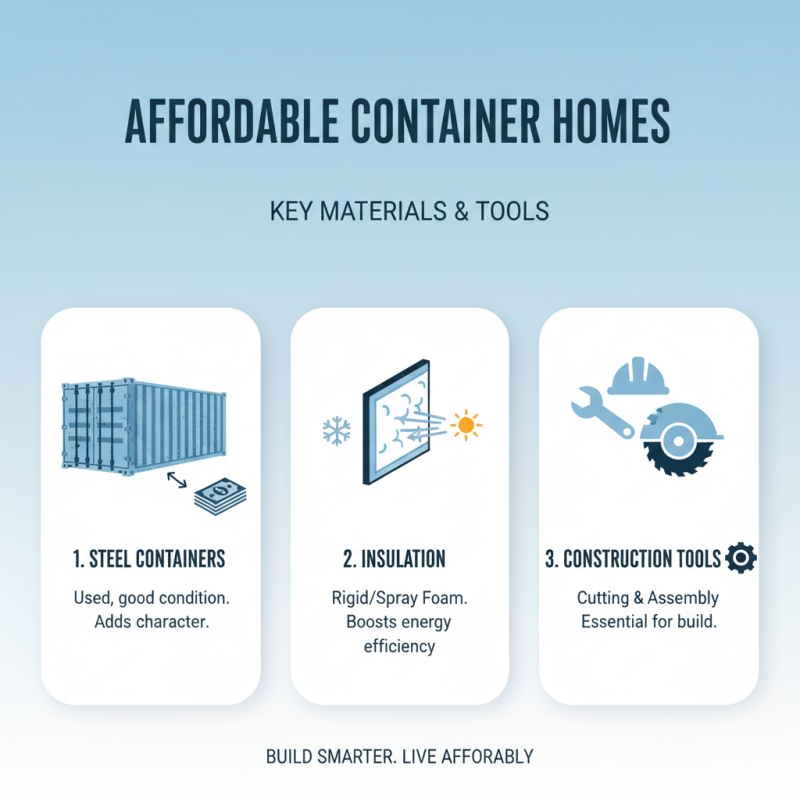
Building container homes for affordable living requires specific materials and tools. You’ll need steel containers, of course. Look for used ones that are affordable and in good shape. They often have some wear, which can add character. Also, consider insulation materials like rigid foam or spray foam. They can improve energy efficiency.
For tools, a few essentials include a cutting torch and a welding machine. Make sure to wear safety gear while using these. A sledgehammer can help remove old fixtures or walls, but it’s easy to overdo it. Precision is key. Additionally, hand tools like a hammer, pliers, and screwdrivers are crucial. Keeping things organized will save time and frustration.
Don’t forget about proper planning. Create a layout before starting. Mistakes can lead to wasted materials. Sometimes, it’s easy to underestimate the time needed for cutting and assembling. Reflect on your approach and adjust as needed. Building a container home is a rewarding journey, although it can be challenging. Always be open to learning from each step.
Tips for Ensuring Energy Efficiency in Container Home Construction
Building container homes offers a sustainable living option that can be tailored for energy efficiency. According to a report from the U.S. Department of Energy, residential buildings contribute to nearly 20% of greenhouse gas emissions. Creating homes from used shipping containers can lower this impact, but it requires careful planning.
Tips for ensuring energy efficiency include:
-
Proper insulation: Container walls are thin, leading to significant heat loss or gain. Using spray foam insulation can help maintain a consistent indoor temperature. This material expands in place, sealing all gaps.
-
Energy-efficient windows: These reduce heat transfer. Proper glazing can cut energy consumption by up to 30%.
-
Renewable energy sources: Solar panels can significantly reduce energy bills. Research shows that homes with solar installations can save over $1,000 annually.
However, proper orientation and angle are important: Not all regions receive equal sunlight. Hence, it's crucial to assess local conditions before installation.
Ventilation: A well-ventilated container home can improve air quality, but passive systems may not always work. Active ventilation might be necessary in certain climates.
Energy efficiency requires creativity and adaptability. It's not just about cutting costs; it's about building a better, sustainable future.