How to Choose the Right Prefabricated Container Home for Your Needs
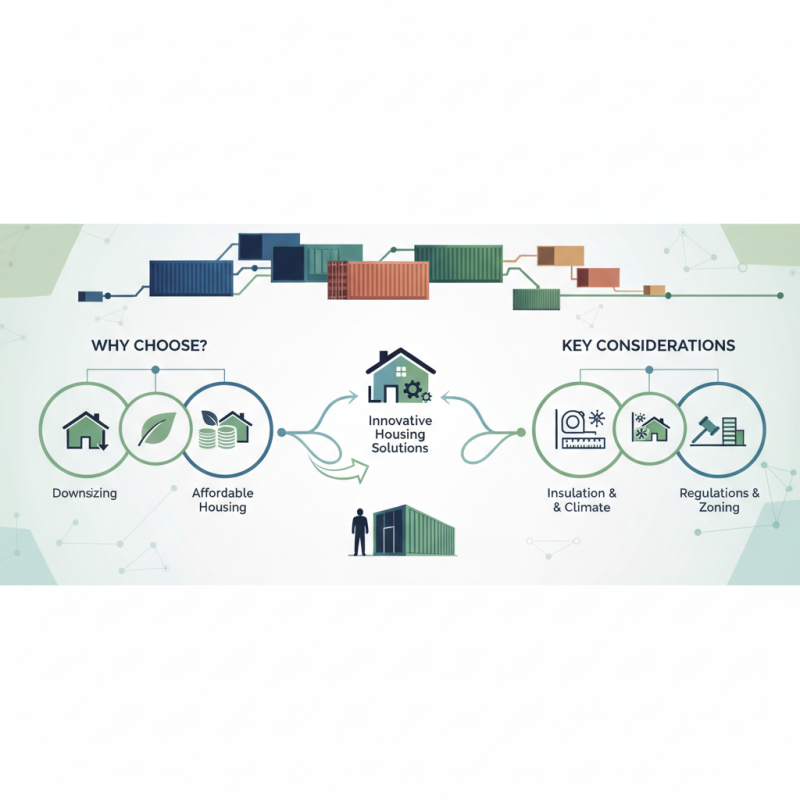
In recent years, the popularity of prefabricated container homes has surged, offering innovative and flexible housing solutions for a variety of needs. With their unique construction process and eco-friendly attributes, these homes provide an ideal alternative for those looking to downsize, create an affordable housing option, or reduce their carbon footprint. As industry expert and architect Sarah Johnson states, "Prefabricated container homes not only elevate the concept of sustainable living but also redefine the way we perceive space and functionality in our daily lives."
Choosing the right prefabricated container home requires careful consideration of individual circumstances and preferences. Factors such as size, design, insulation, and local climate can greatly influence the performance and comfort of your new dwelling. Furthermore, understanding the regulations and zoning laws in your area is crucial to ensure a smooth installation process. As more individuals and families explore the potential of prefabricated container homes, it is essential to navigate these considerations thoughtfully to find the most suitable option for their unique lifestyle needs.
Understanding Your Needs for a Prefabricated Container Home
When considering a prefabricated container home, it’s essential to first understand your personal needs. Start by evaluating the size and layout requirements. Are you looking for a compact space for minimalist living, or do you need multiple rooms for a growing family? Additionally, consider the intended use of the home, whether it’s a primary residence, a vacation retreat, or a temporary housing solution. Knowing your specific needs can help you choose the right design and configuration that suits your lifestyle.
**Tips**: Before finalizing your decision, create a list of must-have features, such as the number of bedrooms, bathrooms, and additional storage space. This will help keep your focus on the essentials while browsing through various options.
Another key factor to consider is your budget and financing options. Understand the cost of not just the container home itself, but also any potential modifications, transportation, and the installation process. Assess how much you are willing to spend and research affordable alternatives that meet your criteria without compromising on quality.
**Tips**: Look for modular builds that offer customization within your budget range. It's often possible to find container homes that allow you to adjust layouts and finishes, making it easier to tailor your space to your needs without overspending.
Preferences for Choosing a Prefabricated Container Home
Evaluating Different Types of Prefabricated Container Homes
When evaluating different types of prefabricated container homes, it’s essential to consider your personal needs and lifestyle requirements. Container homes come in various styles and sizes, ranging from single-unit designs to complex multi-container configurations. Begin by assessing your space requirements, as this will significantly influence your choice. If you’re looking for a minimalist living space, a smaller unit may suffice, while a larger family might benefit from a combination of units to create more extensive living areas.
Tip: Always check the thermal insulation and weatherproofing of the container home. These factors greatly impact energy efficiency and comfort. Additionally, consider the potential for customization. Some container homes come fully outfitted with utilities and design upgrades, while others offer a more basic shell that allows for significant personal alterations.
Another essential aspect to evaluate is the intended use of the container home. Are you looking for a permanent residence, a vacation getaway, or perhaps an office space? This distinction can guide your choice. Moreover, remember to review local zoning laws and regulations regarding container homes to ensure your selection adheres to legal requirements.
Tip: Engage with a professional who specializes in container home construction to gain insights into structural integrity and engineering aspects. This can save you time and money in the long run by avoiding potential pitfalls during the building process.
Key Features to Consider in Container Home Selection
When selecting the right prefabricated container home, there are several key features to consider that can significantly impact your living experience. First and foremost, assess the size and layout of the container home. Depending on your needs, you might require a single container or multiple connected units to accommodate family members or to create specific living arrangements. Ensure the design allows for adequate space utilization, natural light, and ventilation, which are crucial for comfort in a compact space.
Another essential aspect is insulation and weather resistance. Prefabricated container homes often come with different insulation options, which can affect energy efficiency and overall comfort. Depending on your climate, you may need to choose materials that provide excellent thermal properties. Additionally, think about the structural integrity and quality of materials used to ensure durability against environmental factors. Finally, consider the potential for customization and expansion. Opting for a design that allows easy modifications can future-proof your investment, accommodating evolving needs over time.
How to Choose the Right Prefabricated Container Home for Your Needs - Key Features to Consider in Container Home Selection
| Features |
Description |
Importance |
| Size |
Choose from various sizes based on the number of occupants and intended use. |
High |
| Insulation |
Ensure adequate thermal and acoustic insulation for comfort. |
High |
| Design Options |
Variety of layouts and finishes to suit aesthetic and functional preferences. |
Medium |
| Transportability |
Easy to transport, allowing relocation if necessary. |
Medium |
| Durability |
Consider rust-resistant materials and structural integrity. |
High |
| Cost |
Overall budget including purchase, delivery, and installation. |
High |
| Eco-friendliness |
Use of sustainable materials and energy-efficient designs. |
Medium |
| Regulations |
Compliance with local building codes and zoning laws. |
High |
Budgeting for Your Prefabricated Container Home Project
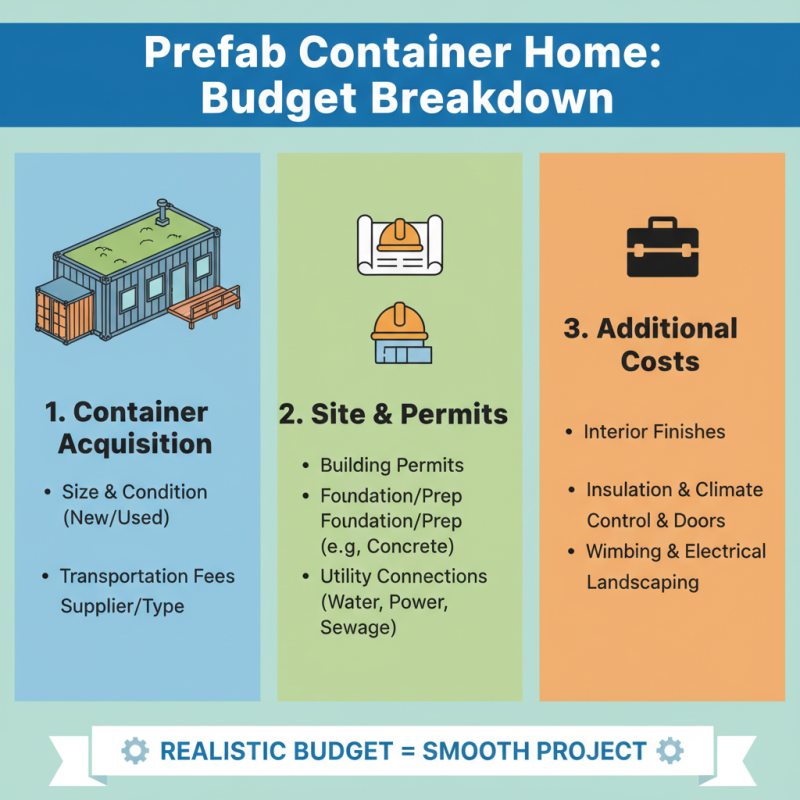
When embarking on a prefabricated container home project, establishing a realistic budget is crucial to ensure a smooth process from concept to completion. Begin by assessing the overall cost of acquiring a suitable container, which typically involves consideration of the container's size, condition, and transportation fees. Keep in mind that not all containers are created equal; opting for a new container may incur higher costs compared to a used one. Factor in additional expenses such as permits, site preparation, and utilities, as these can significantly affect the overall budget.
Next, it's essential to consider the costs related to customization and interior fittings. Depending on your specific needs and preferences, expenses can add up quickly if extensive renovation or design work is required. Researching various construction and design options will help you identify areas where you can save money without compromising on quality. It's advisable to leave a buffer in your budget for unexpected expenses, as this flexibility can be vital during the construction phase. By carefully planning your finances ahead of time, you can create a comfortable and functional living space tailored to your lifestyle while minimizing financial stress.
Sourcing and Logistics for Your Container Home Purchase
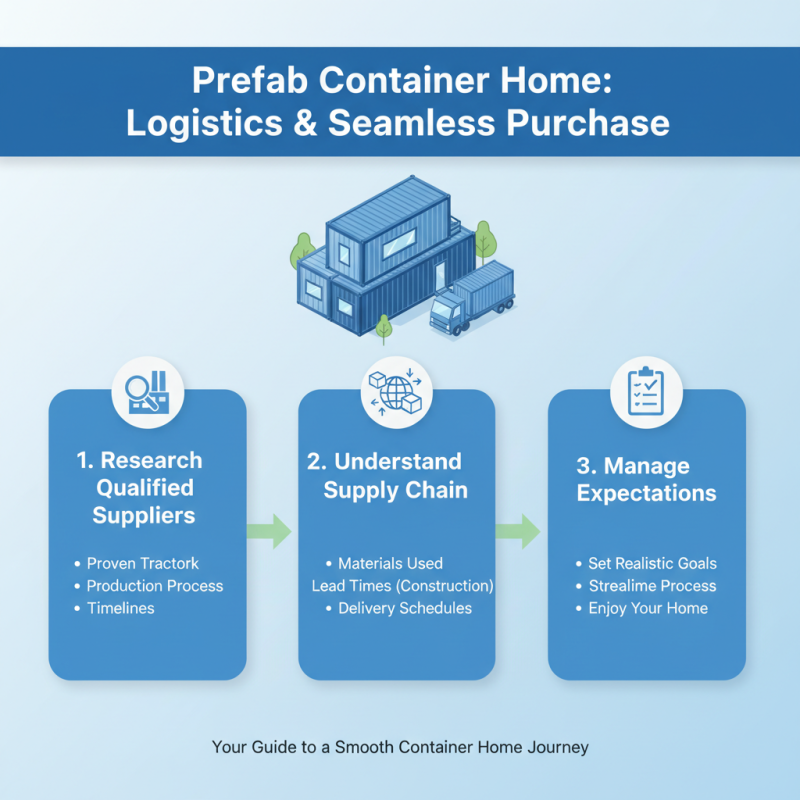
When sourcing a prefabricated container home, logistics play a crucial role in ensuring a seamless purchasing experience. First, it's essential to research qualified suppliers who have a proven track record in delivering container homes. Look for manufacturers that provide detailed information about their production processes and timelines. Understanding the supply chain is vital; inquire about the materials used, lead times for construction, and delivery schedules. Assessing these factors will help you manage your expectations and streamline the entire buying process.
Once you have chosen your supplier, logistics become key in getting your container home to your desired location. Consider the transportation methods available and how they align with your budget and timeline. It's important to evaluate the costs associated with shipping and any potential duties or fees if your home is coming from abroad. Additionally, inspect the land where the container will be placed to ensure it meets local zoning requirements and accessibility for transport vehicles. By carefully planning the logistics, you can avoid unexpected delays and additional costs, making the transition to your new container home as smooth as possible.