How to Choose the Right Prefabricated Container for Your Next Project
The demand for prefabricated containers has surged in recent years, driven by a growing need for flexible and sustainable building solutions across various industries. According to a report by Market Research Future, the prefabricated construction market is projected to reach $314 billion by 2025, signifying a compound annual growth rate of 6.4%. This growth reflects an increasing acceptance of prefabricated technologies in construction, offering advantages such as reduced labor costs and shorter project timelines.
Experts in the field, like Dr. Emily Thompson, a leading researcher in modular construction, emphasize the significance of making informed choices when selecting prefabricated containers. She states, “Choosing the right prefabricated container is essential for optimizing functionality and overall project success.” This assertion highlights the critical nature of this decision-making process, as various factors such as material quality, insulation properties, and structural integrity directly influence the performance and longevity of prefabricated structures.
As more companies explore the potential of prefabricated containers for projects ranging from temporary offices to permanent housing solutions, understanding the selection criteria becomes paramount. This guide aims to equip you with the knowledge needed to navigate these choices effectively, ensuring that your prefabricated container aligns seamlessly with your project requirements.
Understanding Prefabricated Containers: Types and Applications
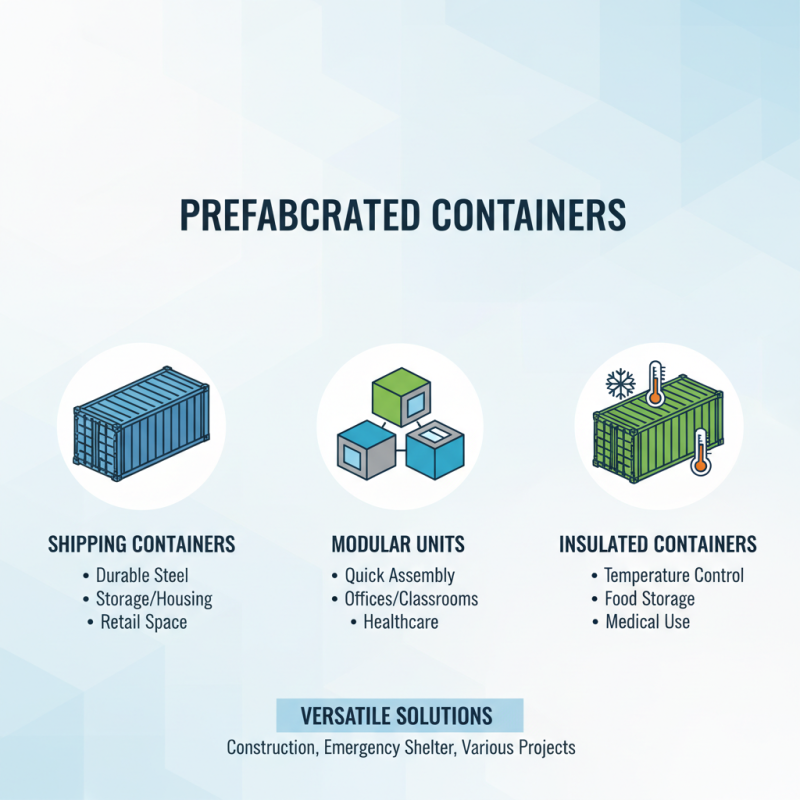
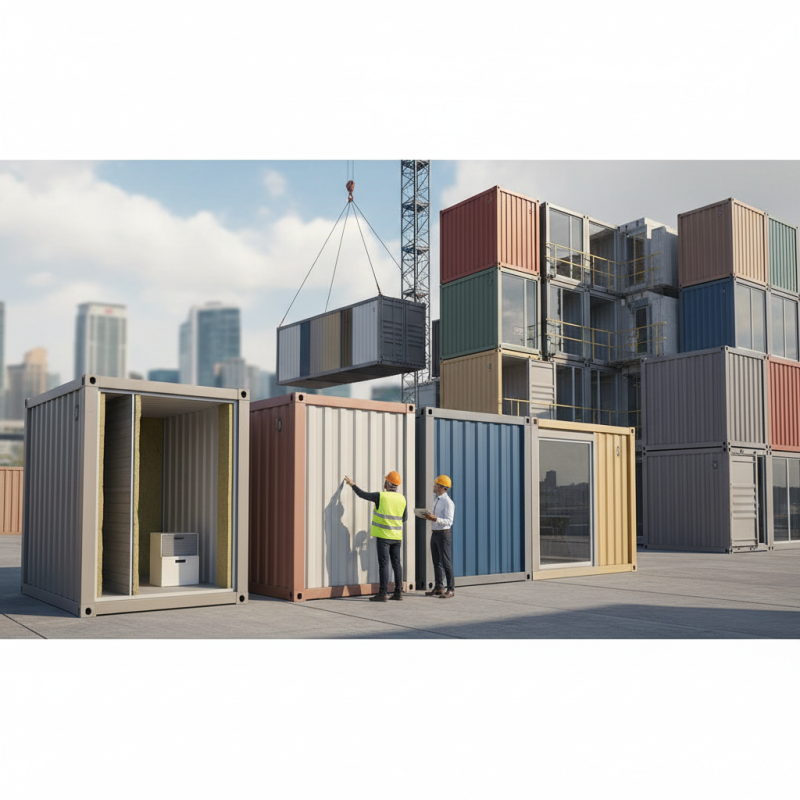
Prefabricated containers offer a versatile solution for various projects, ranging from construction sites to emergency shelters. These units can be categorized into several types, including shipping containers, modular units, and insulated containers. Each type serves unique purposes, making it essential for project planners to understand their applications. Shipping containers, typically constructed from steel, are durable and can be modified for storage, housing, or retail spaces. Modular units, on the other hand, are designed for quick assembly and can be customized for offices, classrooms, or even healthcare facilities. Insulated containers provide temperature control for sensitive goods or environments, making them ideal for food storage or medical applications.
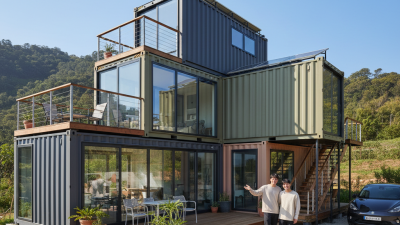
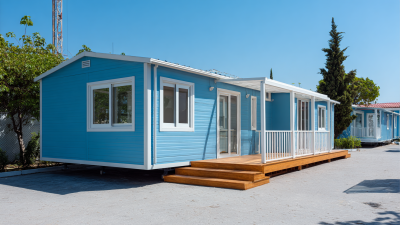
The applications of prefabricated containers extend beyond traditional uses. These structures can be employed in temporary settings for events, disaster relief, or as pop-up shops, showcasing their adaptability. In urban areas, they are increasingly used for affordable housing solutions, transforming unused land into livable spaces. Additionally, their mobility allows for easy relocation, making them suitable for projects requiring flexibility. Understanding these types and applications can empower decision-makers to select the container that best fits their project's specific needs, ensuring efficient use of resources and time.
Assessing Project Requirements: Size, Purpose, and Location Considerations
When embarking on a project that requires a prefabricated container, it's crucial to assess your specific requirements to ensure you make the right choice. The size of the container is often the first consideration. Depending on the intended use—be it for temporary site offices, storage solutions, or even residential units—the dimensions of the container must cater to the space available at the project site. Selecting a container that fits well within the designated area while providing sufficient operational space is key to maximizing efficiency.
Equally important are the purpose and location of the container. Different uses may demand unique features, such as ventilation, electricity access, and insulation. For example, a container used for a food storage unit would require proper climate control and hygiene measures, while an office space might need windows and solid internal finishes. Additionally, evaluating the geographical location is critical; containers deployed in areas with extreme weather conditions should come with adequate reinforcement to withstand the elements. By carefully weighing these factors, project managers can select a prefabricated container that effectively meets their project's needs.
Choosing the Right Prefabricated Container Based on Project Requirements
Evaluating Material Options: Steel vs. Aluminum vs. Other Materials
When selecting a prefabricated container for your next project, the choice of materials is crucial. Steel and aluminum are among the most commonly used materials, each offering distinct advantages. Steel containers are known for their strength and durability, which makes them an ideal choice for heavy-duty applications. According to a 2022 report by the International Container Bureau, steel containers account for over 85% of global container traffic due to their robustness and longer lifespan in harsh environments.
On the other hand, aluminum containers are gaining popularity due to their lightweight nature and resistance to corrosion. A study conducted by the Aluminum Association noted that while aluminum containers are typically more expensive than their steel counterparts, their reduced weight can lead to lower shipping costs and improved energy efficiency in transportation. Additionally, aluminum's recyclability can be a significant advantage for projects focusing on sustainability, as recycled aluminum can achieve up to 95% energy savings compared to new production.
Other materials, such as reinforced composites and fiberglass, also present viable alternatives depending on specific project requirements. These materials can offer enhanced insulation properties and lower maintenance needs. According to a 2023 report from the American Composites Manufacturers Association, the market for composite containers is projected to grow by 15% annually, driven by increasing demand for lightweight and durable options in various industries. Ultimately, evaluating these material options carefully will ensure that your prefabricated container meets both your functional and budgetary needs.
How to Choose the Right Prefabricated Container for Your Next Project - Evaluating Material Options: Steel vs. Aluminum vs. Other Materials
| Material |
Weight (lbs/ft3) |
Durability (Years) |
Cost ($/ft3) |
Corrosion Resistance |
| Steel |
490 |
35 |
0.15 |
Moderate |
| Aluminum |
168 |
50 |
0.30 |
High |
| Wood |
30 |
20 |
0.10 |
Low |
| Composite |
38 |
25 |
0.25 |
Moderate |
Analyzing Cost Factors: Budgeting for Purchase and Installation
When budgeting for the purchase and installation of prefabricated containers, it is essential to consider various cost factors that can significantly influence the overall expense. First, the initial purchase price of the container itself will depend on its size, design, and additional features such as insulation, doors, and windows. It is crucial to define your project requirements clearly, as different configurations can vary widely in terms of cost. Seeking multiple quotes from suppliers can also provide insights into price variations and potential savings.
In addition to the purchase price, installation costs must be taken into account. These can include site preparation, foundation work, utility connections, and any necessary modifications to meet local building codes. Moreover, transportation fees can add to your expenses, especially if the site is located far from the manufacturer. To accurately estimate your total investment, it’s advisable to create a detailed budget that includes both fixed and variable costs and leave some room for unexpected expenses. By taking these factors into consideration, you can ensure that you stay within your financial limits while successfully executing your project.
Choosing a Reliable Supplier: Key Attributes and Selection Criteria
When selecting a prefabricated container for your next project, the reliability of your supplier is paramount. Key attributes to consider include the supplier's reputation, industry experience, and the range of products offered. According to a report by Mordor Intelligence, the prefabricated construction market is projected to grow at a compound annual growth rate of 6.5% from 2021 to 2026. This growth emphasizes the importance of aligning with established suppliers who have a proven track record in delivering quality solutions. A reliable supplier should also provide transparency in their manufacturing processes, ensuring that their containers meet the necessary safety and quality standards.
Moreover, evaluating a supplier's customer service capabilities can significantly influence your project's success. A report from Research and Markets indicates that 70% of customers prefer suppliers who provide excellent support and service after the sale. This includes timely delivery, installation services, and responsive communication. A supplier that prioritizes customer satisfaction not only strengthens the partnership but also helps you mitigate potential risks associated with delays or compliance issues. Therefore, conducting thorough research, leveraging industry reports, and seeking testimonials can pave the way for selecting a supplier that aligns with your project's demands and goals.