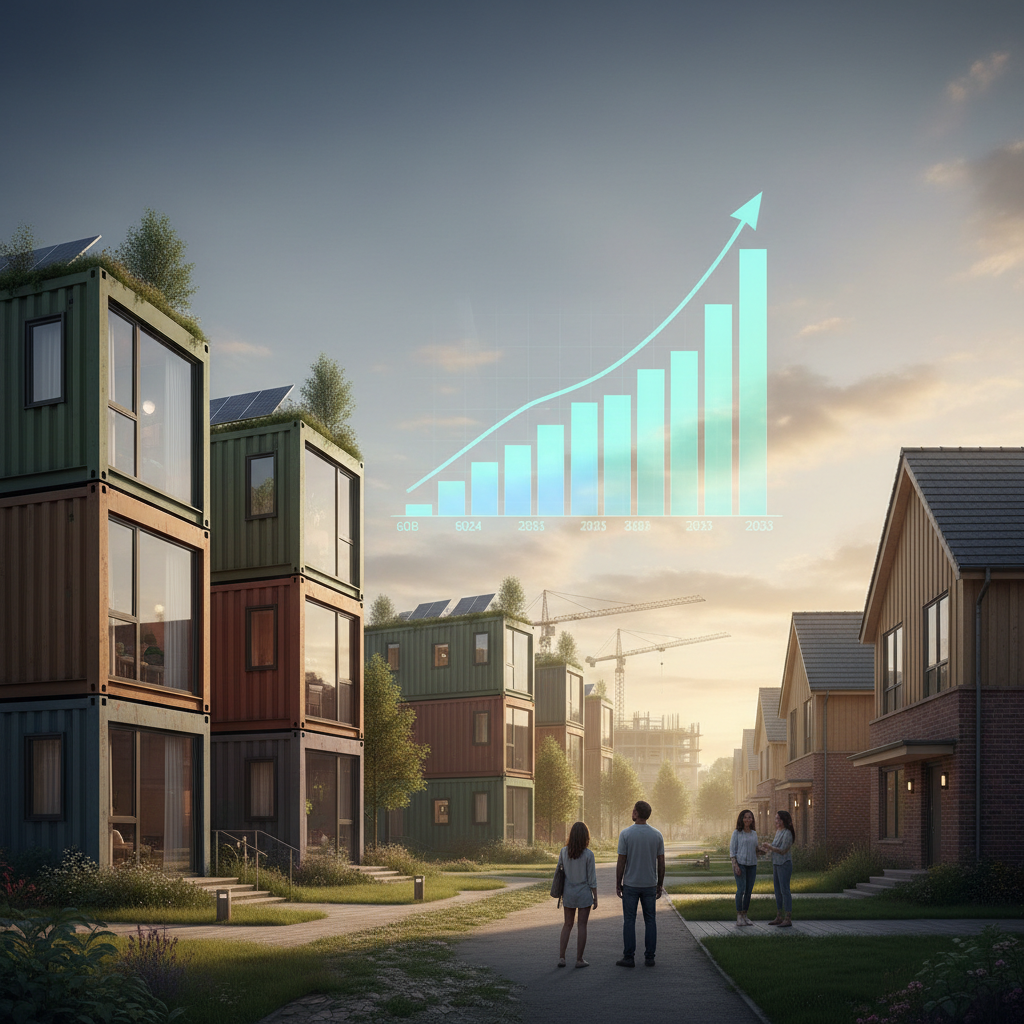
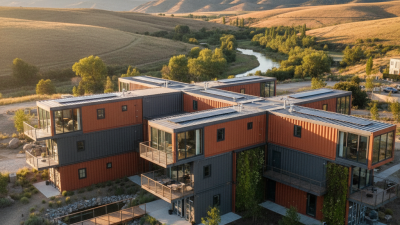
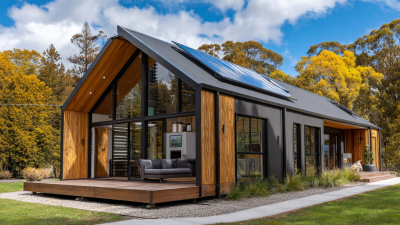
Container homes have rapidly gained popularity in recent years, emerging as a sustainable and innovative housing solution. According to a report by the Housing and Urban Development department, the percentage of individuals preferring alternative housing options, such as container homes, has increased by 45% over the last decade. This trend not only reflects a growing interest in eco-friendly living but also highlights the need for affordable housing solutions in an era where traditional home prices continue to soar.
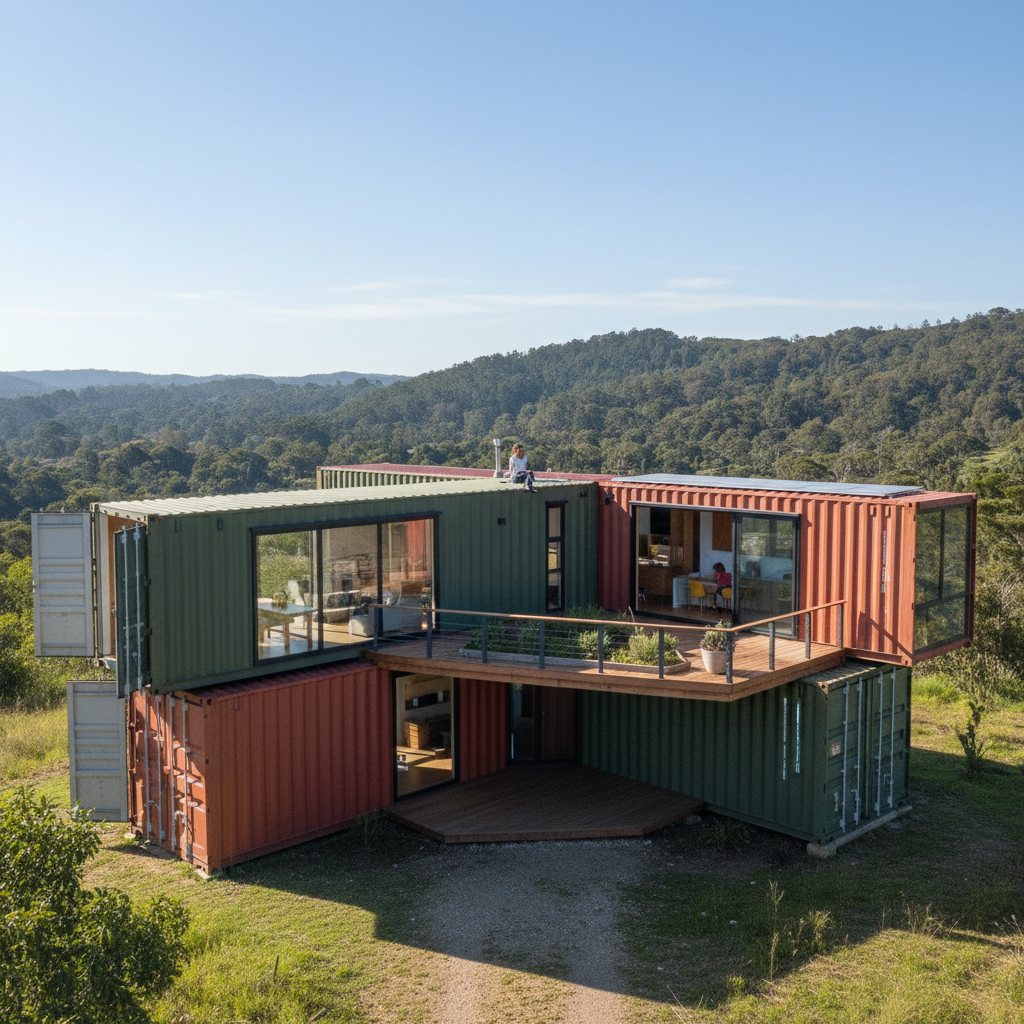
Furthermore, statistics from the Container Housing Association reveal that container homes boast a 95 percent satisfaction rate among their owners, attributed to their unique design flexibility, durability, and cost-effectiveness. Many individuals are drawn to the idea of repurposing shipping containers, which not only reduces waste but also presents an opportunity for creative architectural expression. As such, selecting the right container home involves careful consideration of various factors, including location, design preferences, and budget constraints. This article outlines ten essential tips to guide prospective buyers in making informed decisions while navigating the world of container homes.
When considering container homes, various key factors influence the design choices that lead to maximum satisfaction. One of the primary criteria is the layout optimization, which allows for efficient use of limited space. Homeowners should evaluate their lifestyle needs, focusing on how different room configurations can enhance functionality and comfort.
Open-plan designs often create a sense of spaciousness, while designated areas can provide privacy and practicality.
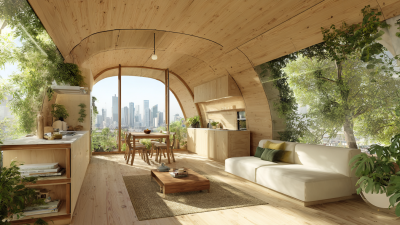
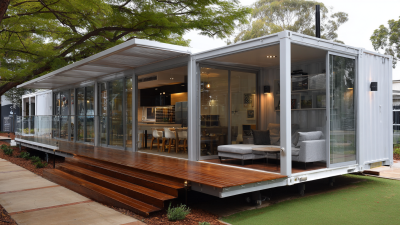
Another critical aspect is the choice of materials and finishes. High-quality insulation, durable flooring, and environmentally friendly materials not only contribute to the aesthetic appeal but also improve energy efficiency. Incorporating large windows and thoughtful lighting designs can also elevate the living experience, fostering a connection with the outdoors and creating an inviting atmosphere.
Attention to these elements is essential, as they directly impact both the long-term durability and the day-to-day enjoyment of container homes.
When considering container homes, understanding structural integrity and longevity is paramount to ensure your investment stands the test of time. Container homes, if built correctly, can exhibit excellent durability due to their robust steel construction. However, it is essential to assess how well the home can withstand environmental challenges, such as extreme weather and potential rusting over time. Regular maintenance and protective coatings can significantly enhance the lifespan of your container home, making it a wise choice for sustainable living.
Tip: Choose high-quality shipping containers with minimal damage for the best structural integrity. Inspect the containers thoroughly for any signs of wear or structural issues before purchasing. Additionally, seeking professional help for insulation and structural modifications can greatly improve the longevity and comfort of your home.
Another crucial aspect to consider is the foundation and anchoring arrangements. Properly placing your container homes can prevent shifts and stress, securing the structure's integrity for years to come. Compliance with local building codes and zoning laws also plays a vital role in ensuring your home remains safe and durable.
Tip: Invest in a solid foundation, whether it's concrete piers or a slab, to provide stability and support for your container home.
| Tip | Description | Structural Integrity Impact | Longevity Consideration |
|---|---|---|---|
| Choose Quality Containers | Select containers that are not damaged or corroded. | High-quality containers provide better structural support. | Longer lifespan due to better materials. |
| Consider Insulation Needs | Evaluate how you will insulate the home for climate. | Impact on structural thermal performance. | Better insulation extends the lifespan of interiors. |
| Plan for Ventilation | Incorporate windows and vents to ensure airflow. | Prevents structural damage from moisture. | Proper ventilation increases the life of the home. |
| Design for Earthquake Safety | Ensure that the design meets local seismic codes. | Critical for maintaining structural integrity. | Improves overall safety and longevity. |
| Choose a Reliable Foundation | Select a suitable foundation for stability. | Foundation affects the structural load distribution. | Prevents settling and prolongs the life of the structure. |
| Inspect for Rust | Check for signs of rust and treat appropriately. | Rust can weaken container walls significantly. | Regular inspections enhance longevity. |
| Understand Local Regulations | Research zoning laws and building permits. | Compliance ensures structural legality. | Avoids costly legal issues affecting longevity. |
| Opt for Weatherproofing | Use weather-resistant materials for exterior. | Reduces effects of environmental elements. | Enhances protection and life of the home. |
| Utilize Modular Designs | Consider modular designs for flexibility. | Improves structural adaptability. | Easier upgrades can extend lifespan. |
| Regular Maintenance Checks | Schedule inspections for wear and tear. | Maintains structural integrity over time. | Prolongs the life of all components. |
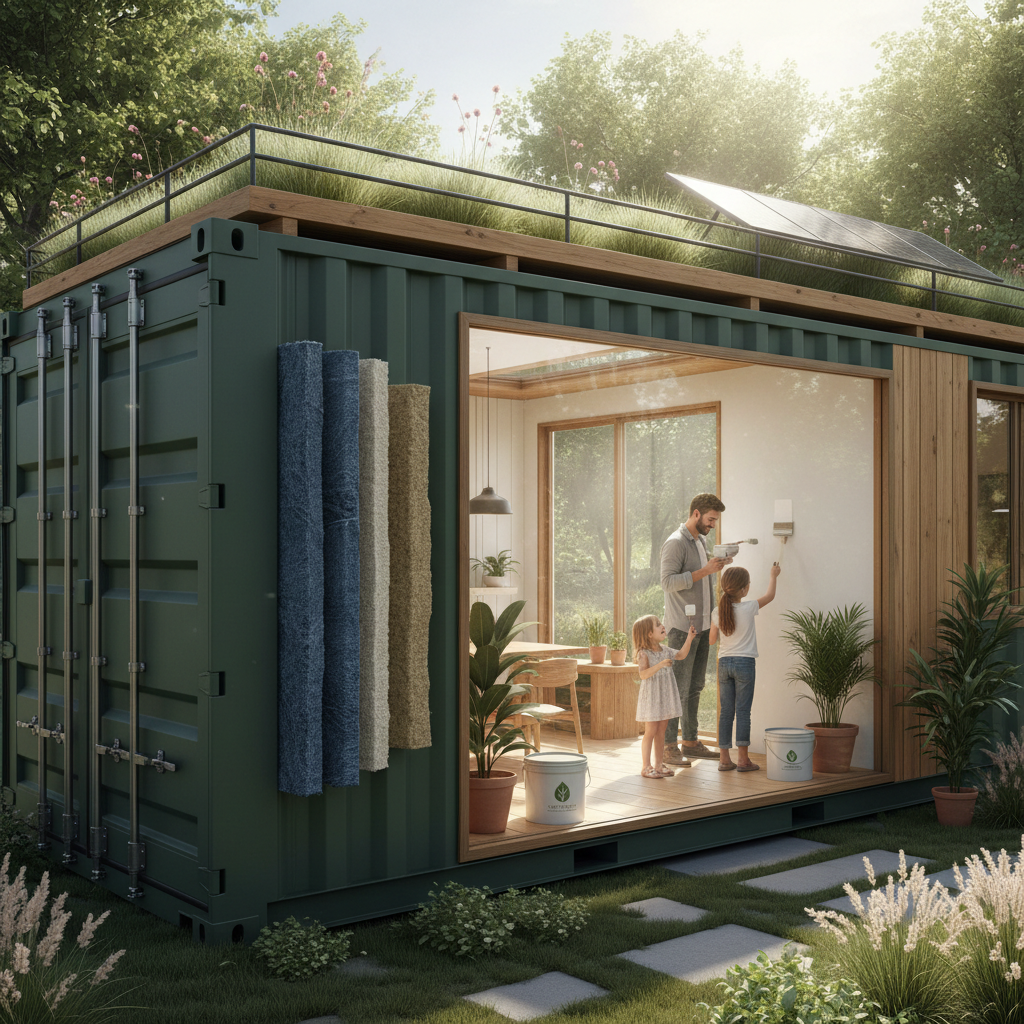
When selecting a container home, sustainability practices play a crucial role in the overall construction process. Utilizing eco-friendly materials not only minimizes environmental impact but also enhances the health and well-being of its inhabitants. One effective approach is to choose insulation made from recycled materials, such as denim or cellulose, which provides excellent thermal performance while reducing waste. Additionally, opting for non-toxic paints and finishes helps to maintain indoor air quality, safeguarding the health of your family.
Furthermore, implementing renewable energy sources, such as solar panels or wind turbines, can significantly enhance the sustainability of container homes. These options not only reduce the reliance on fossil fuels but also lead to long-term savings on energy costs. Incorporating rainwater harvesting systems can also promote responsible water usage. By integrating these eco-friendly materials and practices into your container home building process, you can achieve a harmonious balance between comfort and sustainability, ensuring a happier and healthier living environment.
In 2025, the choice between container homes and traditional housing becomes increasingly pertinent, especially when analyzing cost-efficiency. Container homes offer a significant advantage with their lower build costs, making them an attractive option in the face of rising housing demands. For instance, the global market for container homes is projected to expand dramatically, with estimates suggesting a leap from USD 60.02 billion in 2024 to USD 95.74 billion by 2033. This shift indicates a growing recognition of the economic benefits associated with using shipping containers as a primary housing solution.
Moreover, the urgency of housing needs, particularly highlighted by the student housing crisis in Europe, underscores the potential of container homes. With millions of beds lacking for students, quicker construction timelines of container homes can alleviate immediate pressure. These structures not only promise affordability but also sustainability, positioning them as a practical alternative to traditional building methods. The favorable cost-performance ratio in developing container-based housing solutions hints at a transformative trend in the housing market, paving the way for innovative responses to urgent housing needs.
As the popularity of container homes rises, integrating smart technology becomes increasingly essential in enhancing the living experience. According to a report by Research and Markets, the smart home market is expected to grow to $174 billion by 2025, with a significant portion of this growth attributed to innovations in home design, including modular and container homes. Smart devices not only provide convenience but also contribute to energy efficiency, a crucial factor in sustainable living.
The implementation of smart technology in container homes can transform them into highly functional and adaptive living spaces. Features such as smart thermostats, automated lighting, and security systems allow homeowners to manage their environment seamlessly from their smartphones. A study by Statista reveals that 70% of consumers who adopt smart home technology report a marked increase in their overall satisfaction with their living conditions. This integration not only enhances daily life but also supports the movement towards more eco-friendly and resource-efficient housing solutions.