How to Build Box Homes Easily and Affordably?
Box homes are gaining popularity for their affordability and simplicity. According to a report from the National Association of Home Builders, the construction of modular homes—including box homes—rose by 10% last year. This trend shows a growing preference for innovative, cost-effective housing solutions. Many are drawn to the idea that box homes can be built in weeks rather than months, allowing faster occupancy.
These unique structures often utilize sustainable materials, which can lower the environmental impact. A study from the Environmental Protection Agency highlights how eco-friendly building practices are not just beneficial but necessary for future generations. Yet, it’s essential to reflect on the design challenges. Box homes might not suit everyone's aesthetic preferences or lifestyle needs. Not every design will be perfect. The allure of affordability must also be balanced with considerations of space and comfort.
Families can save significantly on housing costs with box homes. However, realizing this potential requires careful planning and execution. The journey to building a box home can be rewarding, but it issues a reminder; not all ideas translate into success. Prior knowledge and adaptability can significantly impact the outcome.
Understanding the Basics of Box Home Construction
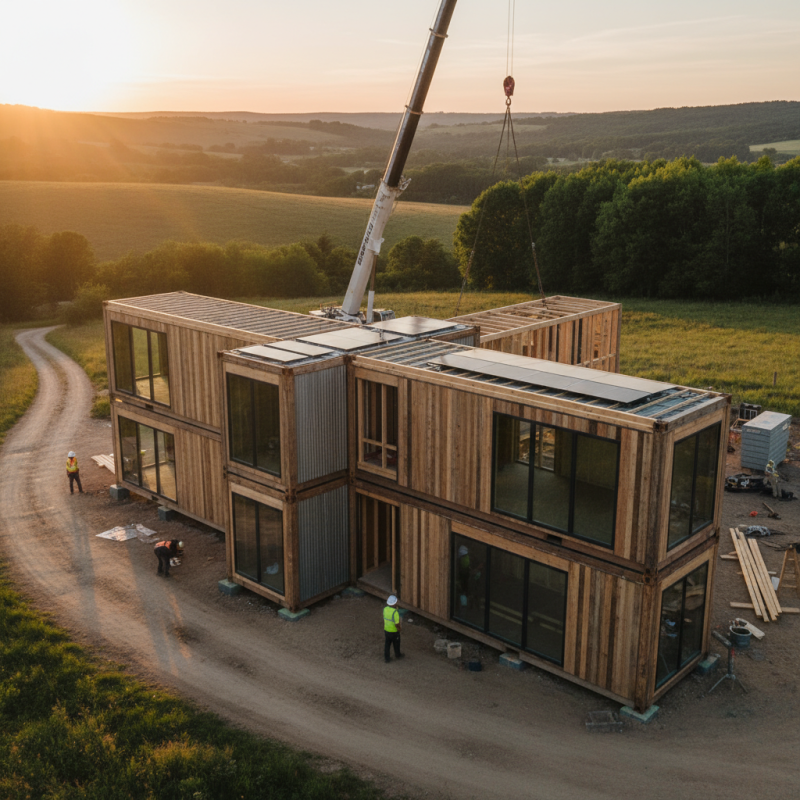
Building a box home can be a straightforward and affordable process if you understand the basics of construction. The concept revolves around simple geometric shapes, which make design and assembly easier for DIY enthusiasts. These homes prioritize functionality and efficiency over intricate designs.
When starting, focus on selecting the right materials. Wood, metal, and pre-fabricated panels are popular choices. Each has its pros and cons. Wood is often easier to work with but may require more maintenance. Metal can provide durability but might increase costs. Consider your local climate when making these choices.
Tips for construction:
- Plan your space wisely. Maximize every corner for storage or functionality.
- Ensure proper insulation. This saves energy and enhances comfort.
- Always double-check your measurements. Mistakes can lead to costly corrections and wasted materials.
Remember, imperfection is part of the journey. Not every cut will be precise, and that’s okay. Learning from these moments can lead to better outcomes in future projects. Reflect on what works and what doesn’t as you build. Embrace the process.
Choosing Affordable Materials for Your Box Home
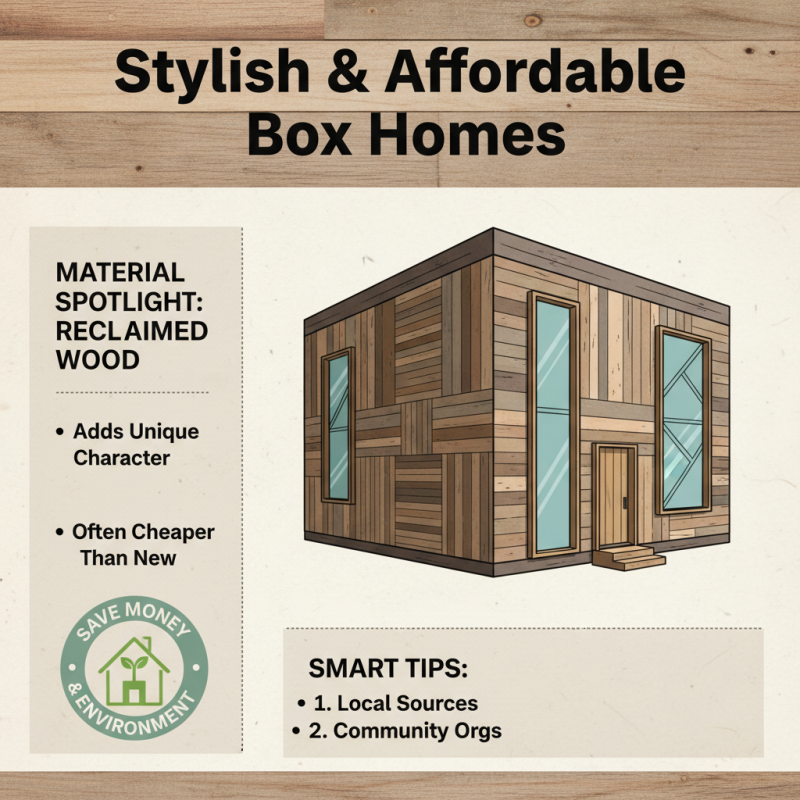
Creating a box home can be both stylish and affordable if you choose the right materials. One option is reclaimed wood. It adds character to your home. Plus, it's often cheaper than new lumber. Look for local sources or community organizations that offer reclaimed materials. This way, you'll save money and help the environment.
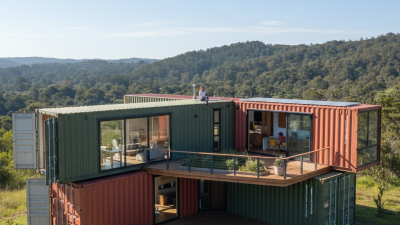
Another material to consider is shipping containers. They are durable and can be transformed into a unique living space. The metallic exterior can be intimidating, but with the right insulation and siding, they can feel like a cozy home. Ensure you check for rust and leaks. It's essential to inspect them thoroughly.
Lastly, use recycled materials for insulation. Fiberglass insulation is common, but there are eco-friendly options, too. Old newspapers or denim can be used creatively. Make sure to do thorough research on each material. Not all options will work for every climate or project. Think about your local environment and needs. Always remember, building a home is an iterative process, requiring constant adjustments and reflections on your choices.
Step-by-Step Guide to Designing Your Box Home Layout
Designing your box home layout can be a fun and rewarding process. It is crucial to focus on functionality and space efficiency. According to industry reports, an average box home can cost about 20% less than traditional houses. Keeping your design simple can reduce costs further.
When designing, think about the number of rooms you need. Open floor layouts maximize space and create a flow. Include large windows for natural light. This can enhance the feeling of openness and reduce the need for artificial lighting. You might consider a multi-use space. This can serve as a living room by day and a guest room by night.
Tips: Use 3D modeling software. This helps visualize your layout before starting. Make adjustments easily. Also, consider modular designs. They are flexible and easier to expand later. Reflect on your lifestyle. It’s essential that your home layout fits how you live. Remember, mistakes happen. Embrace the learning process. It’s all part of building your dream home.
Essential Tools and Equipment for Building Box Homes
Building box homes can be an exciting project. To make the process easier, having the right tools and equipment is crucial. Studies show that about 60% of DIYers fail in their projects due to inadequate tools. Key items include a reliable measuring tape, a square for right angles, and a quality level to ensure everything is straight.
Power tools simplify the construction process. A circular saw is essential for quick cuts. Drills are vital for assembling the frame and securing the structure. Many builders overlook safety gear; gloves and goggles are just as important. Reports indicate that inadequate safety measures lead to more than 30% of construction injuries.
It’s easy to underestimate the amount of sawdust created during cutting. Ensure your workspace is clear and ventilated. Creating a dedicated area for tools and materials can reduce chaos. However, many seem to forget that organization takes time, which can lead to delays. It's a good reminder that planning is just as important as building.
Essential Tools and Equipment for Building Box Homes
This chart displays the essential tools and equipment needed for building box homes, along with their estimated costs. It helps to visualize the budget allocation for each tool based on affordability and necessity.
Tips for Ensuring Durability and Energy Efficiency in Box Homes
Building box homes can be a rewarding project. Ensuring durability and energy efficiency is crucial. Selecting the right materials is key. Use high-quality insulation to regulate temperature. It minimizes energy consumption and keeps the home comfortable.
Consider using recycled materials for construction. This approach is sustainable and often affordable. You might struggle with finding durable options. It is essential to research suppliers and materials thoroughly. Ensure that the materials you choose meet safety standards.
Pay attention to the design. Simple designs often provide better structural integrity. Explore ways to maximize natural light for energy savings. Use large windows or solar tubes, if possible. These elements not only save energy but also enhance the living experience. Balancing aesthetics and efficiency can be tricky. You may need to adjust your expectations as you go.
How to Build Box Homes Easily and Affordably? - Tips for Ensuring Durability and Energy Efficiency in Box Homes
| Aspect |
Details |
Tip |
| Materials |
Use recycled shipping containers or wood panels for low-cost and sustainable building. |
Ensure all materials are treated for weather resistance. |
| Foundation |
Opt for a concrete slab or pier foundation for durability. |
Consider local soil conditions to prevent future issues. |
| Insulation |
Install high-quality insulation material to improve energy efficiency. |
Focus on insulating walls, floors, and roofs effectively. |
| Ventilation |
Incorporate natural ventilation design for better air quality. |
Use operable windows and vents to enhance airflow. |
| Energy Sources |
Consider solar panels or wind turbines for renewable energy. |
Evaluate local energy incentives for installation support. |
| Design |
Choose a simple, functional design for ease of construction. |
Maximize space with open-plan layouts. |