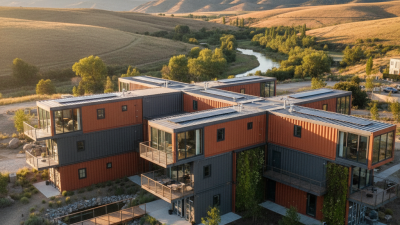
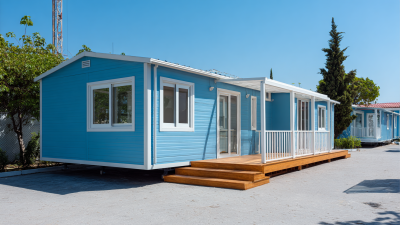
What is Modular Container Homes? A Guide to Affordable and Sustainable Living
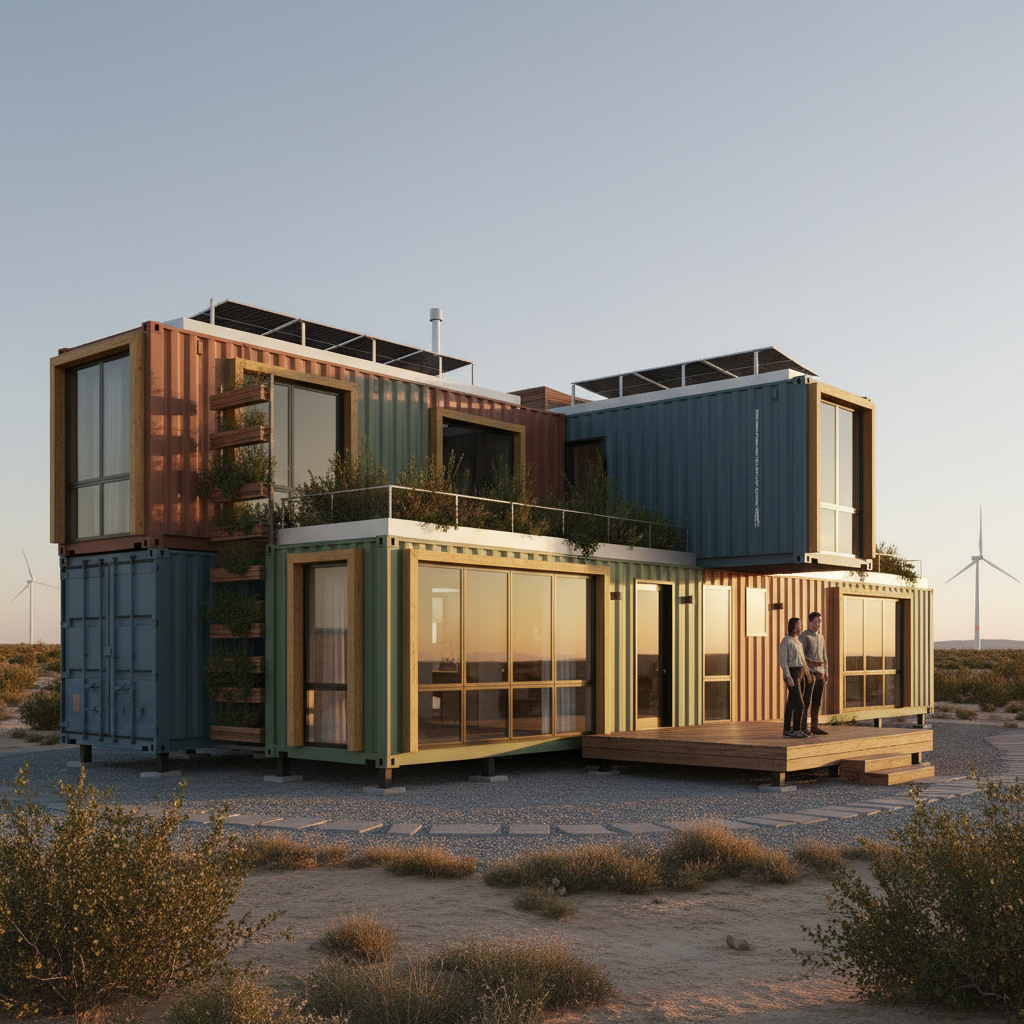
In recent years, the concept of container homes modular has surged in popularity, offering a unique solution to the challenges of affordable and sustainable living. These innovative structures, crafted from repurposed shipping containers, combine functionality with modern design, ensuring that individuals and families can enjoy comfortable living spaces without breaking the bank. As urbanization continues to escalate, the need for efficient and eco-friendly housing options has never been more pressing.
This guide aims to explore the top five advantages of modular container homes, highlighting how they stand out in the crowded housing market. From their cost-effectiveness and rapid construction timelines to their inherent flexibility and environmental benefits, modular container homes present a compelling case for those seeking an alternative lifestyle. Whether you're a first-time homebuyer, a minimalist looking to downsize, or simply someone interested in sustainable practices, understanding the appeal of container homes modular is essential in today's ever-evolving housing landscape. Join us as we delve into the world of modular container living and discover how it can transform your approach to homeownership.
Understanding Modular Container Homes: Definition and Key Features
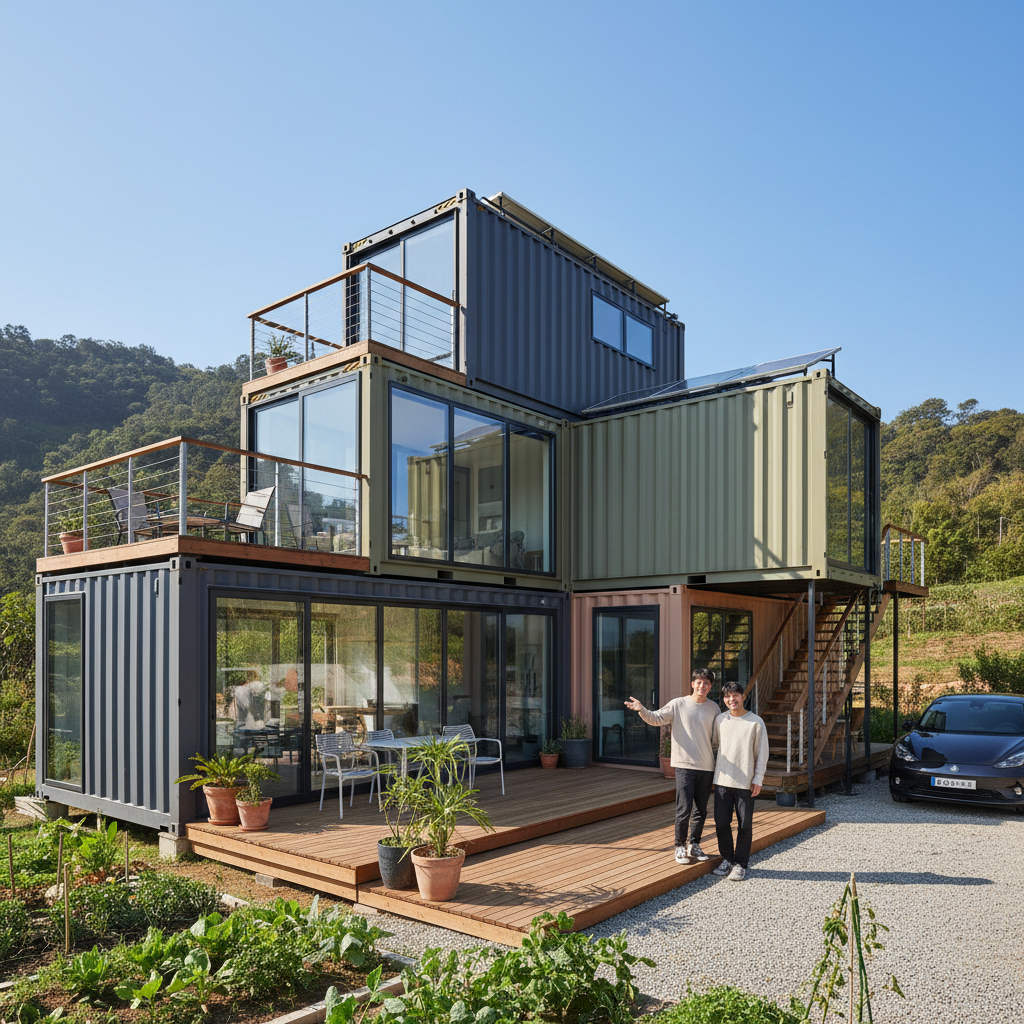
Modular container homes are a practical solution for those seeking affordable and sustainable living options. These innovative structures are built using repurposed shipping containers, which significantly reduce construction costs and waste. According to a recent report by Allied Market Research, the global modular construction market is projected to reach $157 billion by 2023, with container homes playing a vital role in this growth. Their unique design allows for considerable flexibility, enabling homeowners to customize their space according to personal preferences and needs.
One of the key features of modular container homes is their quick assembly time. Unlike traditional homes that can take months to construct, container homes can often be completed in a matter of weeks. This fast turnaround not only helps reduce labor costs but also minimizes the environmental footprint. Additionally, these homes are designed with energy efficiency in mind, often incorporating solar panels and high-quality insulation.
Tips: When considering a modular container home, it’s essential to check local zoning laws and regulations, as these can impact where and how you can place your container. Furthermore, consider integrating green technologies like rainwater harvesting systems, which can enhance sustainability while reducing utility costs. Always assess the structural integrity of the containers, especially in areas prone to extreme weather conditions, to ensure longevity and safety.
Advantages of Modular Container Homes for Affordable Living
Modular container homes have gained popularity as a sustainable and cost-effective housing solution. One of their main advantages is affordability. These homes are made from repurposed shipping containers, drastically reducing construction costs. Additionally, their quick assembly process means lower labor costs and minimal time on site, allowing homeowners to move in sooner. This affordability makes modular container homes ideal for those entering the housing market or seeking to downsize without sacrificing quality.
Tips for those considering modular container homes:
- Research local zoning laws, as regulations can differ widely by area.
- Consider customizing the interior layout to maximize space, making it more livable and functional.
- Choosing energy-efficient materials and appliances will also enhance sustainability and reduce long-term operating costs.
By prioritizing these aspects, homeowners can create a snug yet affordable living environment.
Sustainability Aspects of Modular Container Homes
Modular container homes are increasingly recognized for their sustainable living potential. These homes, constructed from repurposed shipping containers, contribute significantly to waste reduction. According to a report by the United Nations, approximately 150 million shipping containers are in circulation globally, with a sizable portion left idle. By using these containers for housing, we can effectively tackle both waste and the housing crisis.
Furthermore, modular container homes are designed to be energy efficient. They can be equipped with solar panels and high-quality insulation, which can reduce energy consumption by up to 50%. A recent study from the Green Building Council indicates that buildings constructed with sustainable materials can lower carbon emissions by 40%. This eco-conscious approach aligns perfectly with the growing emphasis on reducing our carbon footprint.
Tips: When considering modular container homes, focus on sourcing containers that are in good condition and free from hazardous materials. Ensure that your design maximizes natural light, which can help reduce electricity needs during the day. Additionally, explore options for green technologies, such as rainwater harvesting systems, to further enhance sustainability in your new home.
Comparison of Energy Efficiency in Modular Container Homes vs. Traditional Homes
This bar chart illustrates the energy efficiency in terms of energy consumption (kWh) per square meter for Modular Container Homes compared to Traditional Homes. The data showcases the advantage of Modular Container Homes in sustainable living.
Design Flexibility and Customization Options for Container Homes
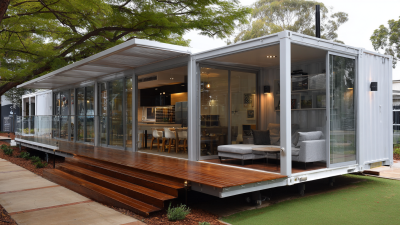
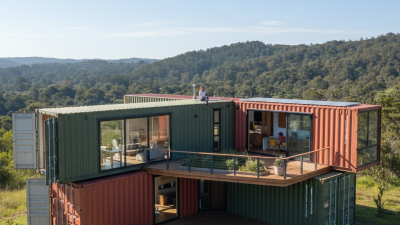
Modular container homes offer remarkable design flexibility, allowing homeowners to create a living space that reflects their unique style and needs. These homes can be configured in various layouts and sizes, making it easy to maximize space and efficiency. Whether you prefer an open-concept living area or separate rooms for privacy, the modular concept allows for extensive customization. The use of shipping containers as building blocks opens up a world of possibilities, letting architects and homeowners experiment with different designs, finishes, and interior layouts.
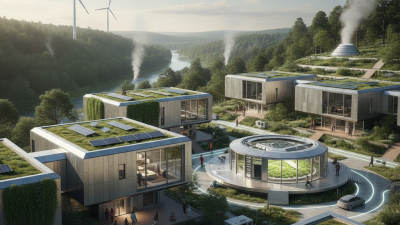
In addition to layout flexibility, container homes can also incorporate sustainable features to enhance their environmental friendliness. Homeowners can choose eco-friendly materials, integrate solar panels, and apply energy-efficient designs to reduce their carbon footprint. The modular nature of these homes not only promotes innovative architectural solutions but also enables affordability, as customization can be tailored to fit different budgets without compromising quality. This balance of versatility and sustainability makes modular container homes an appealing choice for those looking to lead a more environmentally conscious lifestyle.
Challenges and Considerations When Investing in Modular Container Homes
Investing in modular container homes presents both unique opportunities and significant challenges. As affordable and sustainable living solutions gain traction, potential buyers must navigate various considerations. One primary concern is climate resilience; modular container homes can face extreme weather conditions, which may require additional insulation and structural reinforcements. Furthermore, the potential for rust and corrosion is a factor that should not be overlooked. Ensuring the durability of the materials in a humid or harsh climate will be crucial for long-term satisfaction.
Tips: When considering a modular container home, conduct thorough research on local climate conditions and opt for models designed with weather resilience in mind. Engaging professionals for proper site assessment can also help in making informed decisions.
Financial constraints are another key consideration. While initial costs may seem low, unexpected expenses can arise related to construction permits, site preparation, and utility installations. It’s advisable to budget for these hidden costs to avoid unpleasant surprises later.
Tips: Develop a detailed project budget that includes contingency funds for unforeseen enhancements or repairs. Consulting with experienced builders can provide insights into realistic cost projections.