What is Prefab Buildings and Why They Are Revolutionizing Construction
In recent years, the construction industry has been undergoing a significant transformation, largely due to the rise of prefab buildings. These innovative structures, prefabricated off-site and assembled on location, are not only streamlining construction timelines but also enhancing sustainability and reducing waste. According to Dr. Jennifer Smith, a leading expert in modular construction, "Prefab buildings are not just a trend; they are reshaping the way we think about design and construction, making it more efficient and environmentally friendly." This revolution in construction methods addresses some of the pressing challenges of traditional building practices, such as labor shortages and high costs, while providing a pathway to a more sustainable future.
The increasing popularity of prefab buildings is driving a shift towards smarter and faster construction techniques. With advancements in technology and design, these structures can be customized to meet diverse needs without compromising on quality or aesthetics. As more developers and architects embrace this approach, the potential for prefab buildings to transform urban landscapes becomes increasingly evident. This introductory look at the burgeoning field of prefab construction will explore the myriad benefits, innovations, and future implications of adopting these modern building solutions.
What Are Prefab Buildings?
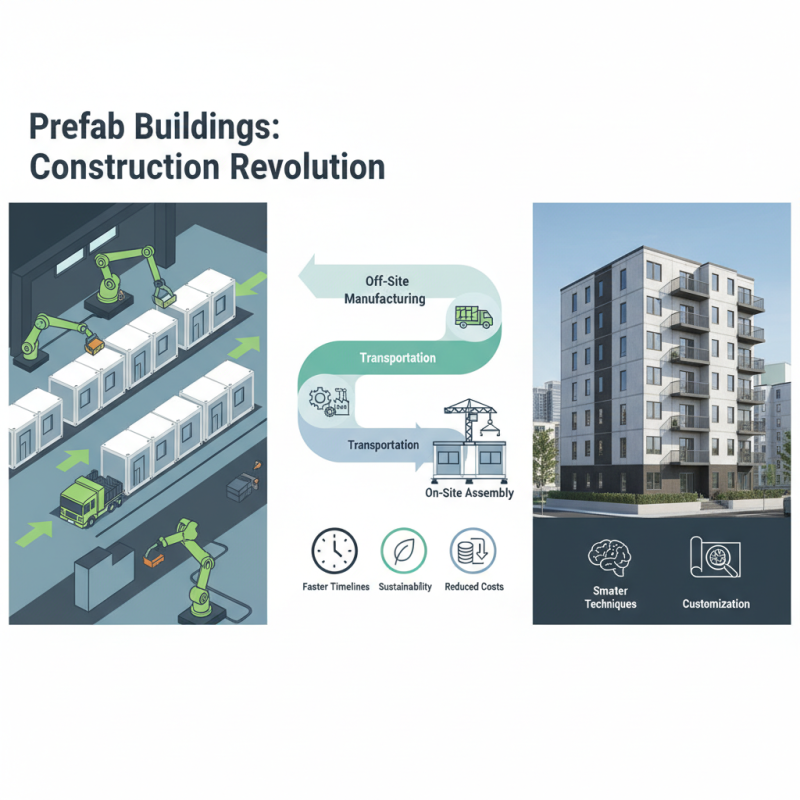
Prefab buildings, or prefabricated structures, are constructions that are manufactured off-site in advance, typically in standardized sections or units, which are then transported to the construction site for assembly. This innovative approach to construction includes a diverse range of buildings such as homes, schools, and offices. Prefab buildings are designed to streamline the construction process, significantly reducing the time required to complete a project compared to traditional building methods.
One key advantage of prefab buildings is their enhanced efficiency. By manufacturing components in a controlled environment, the quality of materials can be ensured while minimizing waste. Additionally, this method leads to fewer delays caused by inclement weather or other on-site issues. When considering prefab buildings, it's vital to choose a reputable manufacturer to ensure the structural integrity and quality of the materials used.
Tips for those interested in prefab construction include researching local zoning laws, as these regulations can affect what is permissible on a given site. Furthermore, consider the long-term energy efficiency of prefab designs, as many modern prefab buildings incorporate sustainable materials and energy-efficient technologies. Engaging an experienced architect or design professional can help maximize the potential of a prefab project, leading to desired outcomes that align with personal or organizational goals.
History and Evolution of Prefab Construction
The history of prefab construction dates back to the early 20th century, when industrialization began to influence building methods significantly. The concept of constructing buildings in a factory setting and transporting them to the site gained traction during the post-World War II era, as there was a pressing need for quick and efficient housing solutions. Early prefabricated homes, often made from wood and metal, were prefabricated in sections and quickly assembled on site, which allowed for rapid deployment and reduced costs. This method not only addressed the housing shortage of the time but also laid the foundation for future advancements in construction techniques.
As technology evolved, so did the methods and materials used in prefab construction. The introduction of advanced materials such as reinforced concrete, steel structures, and energy-efficient insulation led to a transformation in the design and durability of prefabricated buildings. The 1970s and 1980s saw an increase in public and private interest in modular construction, as architects and builders embraced innovative designs that combined aesthetics with functionality. Over the years, prefab construction has evolved from basic, utilitarian structures to sophisticated designs that cater to a variety of needs, from residential homes to commercial buildings and beyond, marking a significant evolution in the construction industry.
Growth of Prefab Construction Over the Years
Advantages of Prefab Buildings Over Traditional Methods
Prefab buildings, or prefabricated structures, are gaining immense traction in the construction industry due to their numerous advantages over traditional building methods. A report by McKinsey & Company highlights that the construction sector has seen productivity growth stagnate at about 1% annually over the past two decades. In light of this, prefab buildings present a viable alternative, significantly enhancing productivity by allowing sections of a building to be constructed off-site, thereby reducing the overall time required for project completion by up to 50%. This accelerated timeline appeals to developers and clients alike, who are increasingly seeking efficient solutions.
Moreover, prefab construction reduces waste and optimizes resources. According to a study from the National Institute of Standards and Technology, traditional construction methods contribute to nearly 40% of landfill waste. In contrast, prefab techniques maximize material usage and minimize waste generation, making them more environmentally friendly. Furthermore, with a controlled factory environment, the production process of prefab buildings ensures higher quality and consistency in materials, often resulting in better overall durability and building performance. The shift towards less wasteful and more efficient construction practices marks a significant step forward in transforming industry standards and addressing the pressing challenges related to sustainability.
Common Types of Prefab Structures
Prefab (prefabricated) buildings are transforming the construction industry by offering efficient, cost-effective solutions for a variety of applications. Common types of prefab structures include modular buildings, panelized systems, and pre-cut homes.
Modular buildings are factory-built in sections, which are then transported and assembled on-site. This approach significantly reduces construction time, allowing buildings to be completed in a fraction of the time it takes traditional methods. According to a report by the Modular Building Institute, modular construction can accelerate projects by up to 50%, making it an attractive option for residential, commercial, and institutional developments.
Panelized systems involve pre-manufactured wall and roof panels that are assembled on-site, providing flexibility for customization while maintaining a rapid construction schedule. These systems support sustainability by minimizing waste; a study by the National Institute of Standards and Technology found that prefabricated building methods can reduce material waste by up to 25%.
Pre-cut homes, often known for their DIY appeal, come with all necessary materials and detailed instructions, allowing homeowners to participate in the construction process. Each of these types of prefab structures brings unique benefits, contributing to the ongoing revolution in the building industry, particularly regarding efficiency, sustainability, and affordability.
The Future of Prefab Buildings in Sustainable Construction
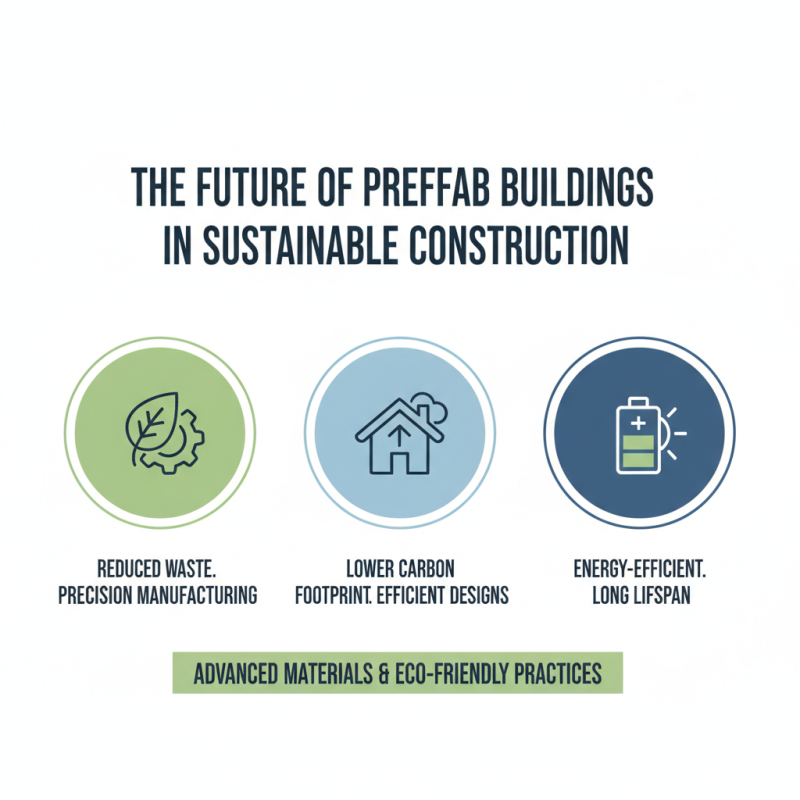
The future of prefab buildings in sustainable construction is becoming increasingly promising as the industry shifts towards environmentally friendly practices. Prefabricated buildings, constructed off-site and assembled on location, offer significant advantages in terms of reducing waste and minimizing carbon footprints. By utilizing advanced materials and efficient designs, prefab construction allows for precise manufacturing processes that lead to less waste and more effective use of resources. This method ensures that buildings can meet sustainability standards while being more energy-efficient over their lifespans.
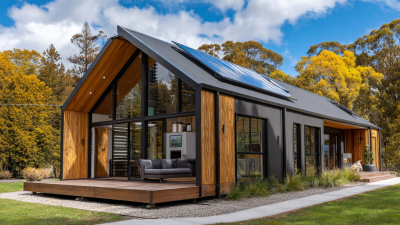
Moreover, prefab buildings can be designed to incorporate green technologies, such as solar panels and energy-efficient insulation, enhancing their sustainability. As urbanization continues to rise, the demand for quick, affordable housing solutions increases. Prefab buildings not only meet this need but also significantly decrease construction times, lowering disruptions to the local environment. As architects and developers embrace innovative designs and sustainable practices, prefab buildings are poised to redefine traditional construction methods, paving the way for a greener future in the built environment.