Why are Prefab Homes Gaining Popularity in the Modern Housing Market?
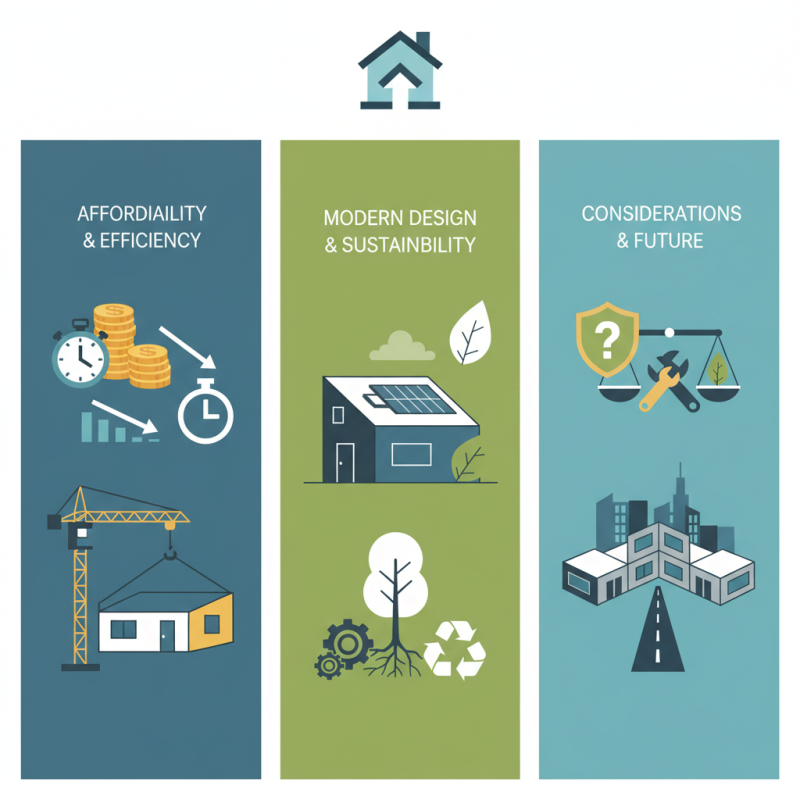
In recent years, prefab homes have gained immense traction in the housing market. These structures offer a blend of affordability, efficiency, and modern design. As housing costs soar, many people seek alternatives that challenge traditional building methods. Prefab homes are often faster to build than conventional houses, reducing time and labor costs. This is pivotal for families on a budget.
Moreover, the benefits extend beyond cost. Many prefab homes are eco-friendly, incorporating sustainable materials and energy-efficient designs. This aligns with a growing desire for environmentally responsible living. However, some misconceptions linger about the quality of prefab homes. Critics argue they may lack the durability of traditionally built homes.
People must weigh these pros and cons carefully. Choosing a prefab home isn't just about price; it's about lifestyle. As this trend continues, it sparks conversations about the future of housing. Every choice in the modern housing market is significant, especially as young buyers emerge. The journey into prefab living can be both exciting and daunting.
The Rise of Prefab Homes in Today's Housing Market
Prefab homes are becoming a notable trend in today’s housing market. Flexible designs allow for customization. These homes are built off-site. This process reduces construction time significantly. Many homeowners appreciate the quick turnaround. As a result, prefab homes can be ready in weeks rather than months.
Environmentally friendly materials are often used. This is a vital factor for eco-conscious buyers. Prefab construction can minimize waste and energy during the building process. However, some designs may lack the personal touch of traditional homes. Homeowners should evaluate their needs and preferences clearly. Sometimes, this might lead to regrets later on.
Tips: Consider future needs when choosing a design. Will your family grow? Another important point is to research local zoning laws. These can impact where you place your prefab home. Lastly, don't forget to think about resale value. Market trends can change, and it's essential to stay informed.
Key Advantages of Prefab Homes Over Traditional Construction
Prefab homes are becoming a popular choice in today’s housing market. They offer numerous advantages over traditional construction methods. One of the most notable benefits is the speed of construction. These homes can be built in a fraction of the time. This feature appeals to many buyers who want to move in quickly.
Prefab homes also tend to be more cost-effective. The controlled factory environment reduces waste and improves efficiency. Buyers often find that these homes offer better value for their money. However, some may worry about the quality. They may question the durability of materials used. It’s essential to research builders and their reputations carefully.
Tip: Visit a prefab home show to see various designs in person. It helps to visualize the space and materials. Engaging with current owners can provide real insights too. You could join community forums online for feedback. Balancing the pros and cons helps make an informed decision. Social perceptions change slowly, so consider your preferences before diving in.
Innovative Technologies Driving Prefab Home Design
The rise of prefab homes is largely due to innovative technologies transforming their design and construction. According to a recent market research report, the prefab housing market is expected to grow by 33% over the next five years. This shift is driven by advancements in modular construction techniques. By utilizing computer-aided design (CAD) software, architects can create detailed models that streamline the building process.
These homes often feature sustainable materials and energy-efficient systems. For instance, some prefab designs incorporate insulation technologies that reduce energy consumption by up to 50%. This appeals to environmentally conscious buyers. However, some critics argue that the aesthetic appeal of prefab homes can sometimes fall short compared to traditional houses.
Moreover, automation in manufacturing is revolutionizing construction timelines. Prefab homes can be built in factories, which reduces time spent on site by up to 30%. However, this doesn't always translate to lower costs. On rare occasions, unexpected delays in transportation can lead to higher expenses. Thus, while innovative technologies promise efficiency, they also introduce new challenges that buyers must navigate.
Sustainability and Eco-Friendliness of Prefabricated Housing
Prefab homes are rapidly gaining traction in the modern housing market. Their sustainability benefits are a major draw. A recent report from the U.S. Green Building Council reveals that prefabricated homes can reduce construction waste by 30%. This presents a compelling case for eco-conscious buyers.
Manufacturing prefabs in controlled environments leads to better energy efficiency. These homes often use sustainable materials. About 70% of prefabricated structures incorporate recycled content. However, the reliance on local suppliers remains a challenge. Some regions may lack access to sustainable materials.
Prefab homes also promise reduced carbon footprints. According to the National Association of Home Builders, they can cut greenhouse gas emissions by 40% during the construction phase. While this is promising, it raises questions about long-term durability. Buyers need to consider the life cycle of materials used. The potential for off-gassing from certain prefabricated elements cannot be ignored.
Factors Contributing to the Popularity of Prefab Homes in 2023
Market Trends and Future Prospects for Prefab Homes
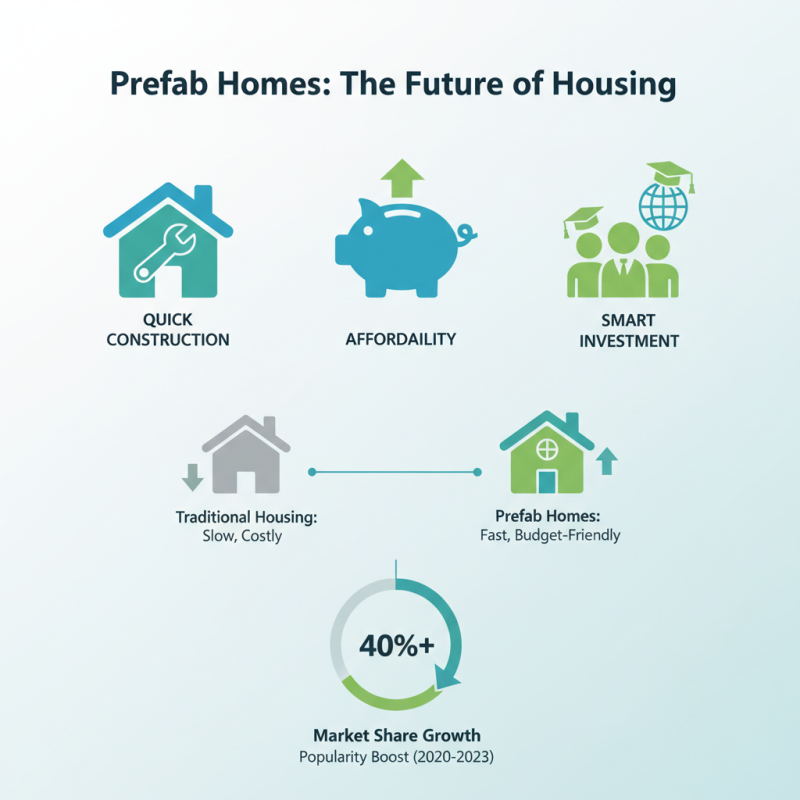
Prefab homes have surged in popularity, driven by changing market dynamics. These homes offer quick construction, appealing to young families and busy professionals. Much of this appeal stems from their affordability. In an era where housing prices soar, prefab options present a financial alternative. They often allow buyers to allocate funds toward other priorities, such as education or travel.
One notable trend is the growing interest in sustainable living. Many prefab homes incorporate eco-friendly materials and energy-efficient systems. This resonates with environmentally conscious buyers. However, not all prefab homes embrace sustainability equally. Some lack proper insulation, leading to energy waste. Buyers must research thoroughly before making a decision.
The future of prefab homes looks promising but uncertain. As technology advances, customization options may increase. Architectural designs could become more diverse, appealing to varied tastes. However, market fluctuations can influence pricing and availability. Overall, while prefab homes present distinct advantages, they also require careful consideration from prospective homeowners.