CHINA'S LEADING CONTAINER HOMES,  MODULAR HOMES & COMMERCIAL BUILDINGS
REQUEST A QUOTE

Top 10 Tips for Choosing Prefabricated Modular Homes for Your Dream Home

Choosing the right home is one of the most significant decisions you will ever make, and for many, the appeal of prefabricated modular homes is increasingly difficult to resist. These innovative structures combine efficiency, affordability, and modern design, making them an attractive option for first-time buyers and seasoned homeowners alike. As you embark on the journey to create your dream home, understanding the intricacies of prefabricated modular homes can empower you to make informed choices that align with your lifestyle and budget.

In this guide, we present the top 10 tips for selecting the perfect prefabricated modular home. From evaluating your specific needs and preferences to understanding the various styles available, these insights aim to simplify the decision-making process. With the right knowledge in hand, you can unlock the potential of prefabricated modular homes to not only fulfill your design aspirations but also enhance your living experience. Adventure lies ahead as you step into the world of modular living, where creativity and practicality converge.
Top 10 Tips for Choosing Prefabricated Modular Homes for Your Dream Home

Understanding Prefabricated Modular Homes and Their Benefits

Understanding prefabricated modular homes and their benefits is essential for anyone considering this innovative housing solution. Prefab homes are designed to be customizable, often allowing owners to tailor the layout and features to fit their dream lifestyle. With advancements in technology, modular construction offers a rapid building process, which can be particularly advantageous in the context of a housing crisis. Reports indicate that modular building has the potential to reduce construction costs significantly, making homes more accessible to a wider audience.

When choosing a prefabricated modular home, consider these tips:

  • First, assess the reputation of the manufacturer; reliable builders often provide quality materials and designs that hold up over time.
  • Second, explore the energy efficiency of the home; many modern prefab homes incorporate sustainable practices that not only reduce utility bills but also contribute to a healthier environment.
  • Lastly, keep an eye on potential for future resale value. As the modular construction market continues to grow, homes built this way may gain increasing popularity, ensuring your investment remains solid.
Key Factors to Consider When Selecting a Prefabricated Home Design

Top 10 Tips for Choosing Prefabricated Modular Homes for Your Dream Home

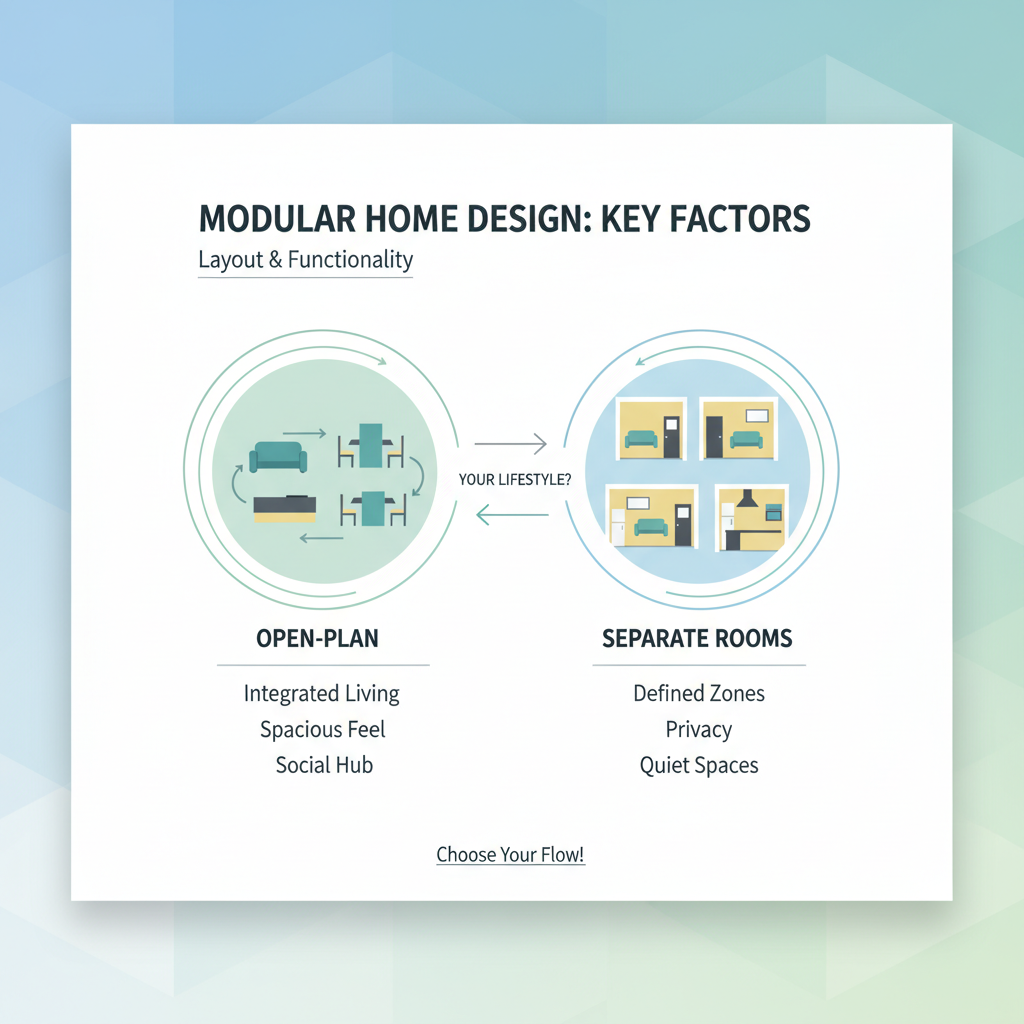
When selecting a prefabricated modular home design, it’s crucial to consider several key factors to ensure your dream home meets your needs and lifestyle. First and foremost, think about the layout and functionality of the space. Is it important for you to have an open floor plan, or do you prefer distinct, separate rooms? This decision can significantly influence how comfortable and efficient your living environment will feel.

Another critical element is the quality of materials used in construction. Look for manufacturers that offer sustainable and durable options. High-quality materials not only enhance the aesthetics of your home but also contribute to long-term maintenance savings. Always inquire about the manufacturing process and seek homes that boast energy efficiency.

Finally, don't overlook the importance of customization options. A prefabricated home should reflect your personal style and preferences. When viewing different models, ask about the customization possibilities for both the exterior and interior finishes. This flexibility allows you to truly make the house your own and create a space where you will feel at home for years to come.

Evaluating Construction Quality and Materials Used in Modular Homes

When selecting prefabricated modular homes, one of the pivotal aspects to evaluate is the construction quality and materials used. The integrity of a modular home largely depends on the craftsmanship and the components integrated into its design. Begin by researching the manufacturer’s reputation and their adherence to building codes. Reliable manufacturers will have a transparent process and provide documentation regarding the materials used, such as energy-efficient insulation, sustainable wood, and durable exteriors. Pay close attention to certifications and ratings that can attest to the quality of the materials, as well as warranties offered, which can be a strong indicator of the manufacturer’s confidence in their products.

Moreover, consider the type of construction techniques employed in the building process. Modular homes should be constructed in a controlled environment, minimizing exposure to the elements during assembly. Examine the assembly systems that connect multiple modules; high-quality fixtures and robust joinery are essential for longevity and safety. Additionally, look into the availability of customization options, which can allow you to choose specific materials that align with your personal preferences while also enhancing the home's structural capability. This thorough evaluation of construction quality and material selection will ultimately contribute to the long-term satisfaction and durability of your dream home.

Top 10 Tips for Choosing Prefabricated Modular Homes for Your Dream Home

Tip No. Tip Description Material Considerations Construction Quality Energy Efficiency
1 Research Builders High-quality wood and steel Well-reviewed construction practices Look for certified energy-efficient designs
2 Check Customization Options Sustainable materials Excellent fitting and finish High R-value insulation
3 Inspect Past Projects Quality concrete and framing Robust construction methods Energy Star rated appliances
4 Evaluate Financing Options Non-toxic materials Strong structural integrity Solar-ready roof designs
5 Ask About Delivery Logistics Durable siding materials Stable foundation methods High-efficiency HVAC systems
6 Review Changes to Zoning Laws Recyclable and reclaimed materials Quality control protocols LED lighting options
7 Consult with Experts Weather-resistant materials Quality certifications Thermal bridging analysis
8 Understand Warranty Terms Long-lasting finishes Regular inspections during construction Smart home technology readiness
9 Plan for Future Needs Low-maintenance materials Robust engineering standards Energy-efficient windows
10 Stay Within Budget Affordably sourced materials No compromise on quality Budget-friendly energy solutions

Assessing Budget, Financing Options, and Cost Efficiency

When considering prefabricated modular homes, one of the foremost aspects to assess is your budget and financing options. According to the Modular Home Builders Association, the cost of modular homes can range from $50 to $100 per square foot, which presents a significant cost-saving opportunity compared to traditional stick-built homes that can exceed $200 per square foot. This affordability often allows buyers to get more for their money, enabling larger living spaces or upgraded finishes within the same budget.

Financing modular homes can also differ significantly from conventional homes. Many lenders offer specialized loan products for modular construction, which typically cater to the lower-risk nature of these homes. The National Association of Home Builders suggests that modular homes usually have a quicker build time, averaging around four to six months, which can lead to reduced interest payments during construction. Additionally, with the potential for lower utility costs due to energy-efficient designs, homeowners might benefit from long-term savings, reinforcing the financial viability of opting for a modular approach. Understanding these financial dynamics will empower buyers to make informed decisions aligning with their budgetary goals.

Choosing the Right Location and Site Preparation for Your Modular Home

When selecting a site for your prefabricated modular home, location is paramount. According to a report by the National Association of Home Builders, the site can significantly affect the overall cost of your home by as much as 30%. Evaluating factors such as proximity to schools, hospitals, and essential services is crucial. A well-situated modular home can not only enhance your quality of life but also increase the property value over time. Over 60% of homebuyers prioritize a good location, emphasizing the need for careful consideration.

In addition to location, site preparation plays a critical role in the success of your modular home installation. Comprehensive site assessment ensures proper drainage and foundation stability, minimizing potential issues down the line. A study conducted by the Modular Building Institute highlighted that neglected site preparation could lead to structural problems, potentially costing homeowners $15,000 or more in repairs. Therefore, investing in a thorough site evaluation and preparation is essential to ensure the seamless installation of a modular home and safeguard your investment for the future.

Top 10 Tips for Choosing Prefabricated Modular Homes

DARK/LIGHT
crossmenu